Should Glencoe Homeowners Worry About Hidden Water Damage?
A damp spot near the basement wall, a strange smell under the kitchen sink, or a ceiling stain that seems to come and go can leave you wondering what is happening behind the surface. Water damage is not always caused by a dramatic flood or a burst pipe. Small leaks can sit behind walls, under flooring, near appliances, or in ceiling cavities for a long time before they become obvious.
We often see hidden moisture become more noticeable during Glencoe’s hot, humid August weather, especially when thunderstorms and air conditioning add extra moisture to a home. Finding the issue early can limit damage to building materials, help protect indoor air quality, and reduce the chance of mold growth.
Hidden Water Can Damage a Home Before It Shows
Water does not always stay where it starts. A slow plumbing leak can move through drywall, insulation, framing, subfloors, and ceiling cavities. By the time a stain appears, moisture may already have affected materials beyond the visible spot. A wall, floor, or ceiling can look dry while hidden materials remain damp.
Common sources we investigate include:
- Slow leaks from plumbing connections and supply lines
- Roof leaks and water entering near aging windows
- Overflowing gutters and poor drainage around the foundation
- Appliance hoses, refrigerator lines, and AC condensate drains
- Foundation seepage and damp basement conditions
When moisture stays trapped, it can lead to warped flooring, loose baseboards, weakened drywall, damaged wood, unpleasant odors, and conditions that support mold. Water around wiring or electrical equipment can also create safety concerns. Even a small change, such as a soft floorboard or peeling paint, deserves attention before it grows into a larger repair issue.
Signs of Water Damage in Glencoe Homes
Many early signs of water damage in Glencoe are easy to overlook because they may seem cosmetic at first. A musty smell might be blamed on a basement, while bubbling paint may be dismissed as normal wear. In our experience, those small clues can point to moisture hiding behind finished surfaces.
Keep an eye out for warning signs such as:
- Musty or mold-like odors that do not go away
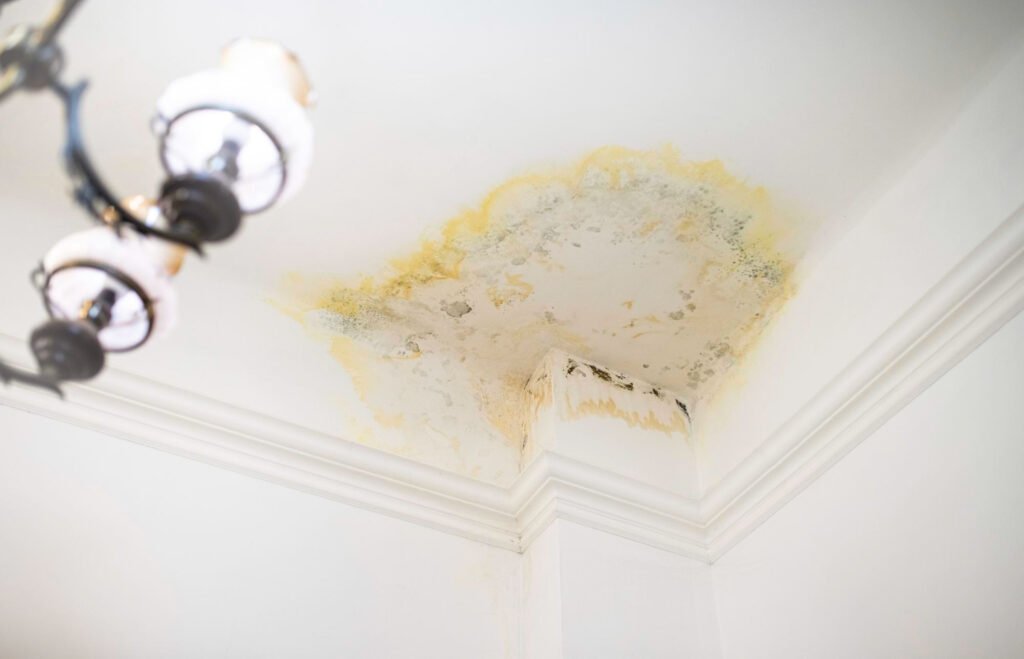
- Peeling paint, bubbling walls, or discolored ceilings
- Soft flooring, warped baseboards, or loose carpet edges
- Persistent indoor humidity or recurring window condensation
- An unexplained increase in your water bill
Summer storms can leave basements damp even after standing water disappears. Moisture around air conditioning equipment may suggest a drainage or condensate problem. Leaks beneath kitchen sinks, near washing machines, or around refrigerator water lines can quietly affect cabinets and subfloors. Older windows, rooflines, and exterior openings can also allow rainwater inside during heavy weather.
Visible mold or a major ceiling stain should not be the only reason to investigate. We recommend taking clear photos of stains, damp materials, or affected belongings as soon as you notice them. Documentation can help explain what changed, when you found it, and what areas may need restoration or insurance review.
August Humidity Can Reveal Moisture Problems
Late summer in the Chicago-area suburbs can expose weak points in a home. Humid outdoor air, frequent AC use, thunderstorms, and heavy rain can all add moisture where it does not belong. A drainage issue that stayed quiet during drier weather may become much easier to notice in August.
Air conditioner condensate lines deserve attention because they can drip or back up when drainage is not working properly. Poorly insulated ductwork may collect surface condensation, while bathroom exhaust problems can leave moisture lingering after showers. Basement humidity can also rise after storms or when outdoor air enters through cracks and gaps.
Some surface condensation can happen when warm, humid air touches a cold surface. Persistent dampness, repeated condensation, wet insulation, or a continuing musty odor is different. Those signs may point to a moisture source that needs professional investigation.
Before fall rain and winter freeze-thaw conditions arrive, it helps to monitor areas that commonly collect water. We recommend watching for gutter overflow, checking that downspouts move water away from the home, observing AC drainage, and taking note of any storm-related leaks. If moisture returns after each storm or keeps appearing near the same area, it is time to identify the cause instead of treating the symptom.
Professional Tests Find Water Damage in Glencoe
Hidden moisture calls for more than a visual check. Our technicians use professional inspection methods to evaluate suspected water damage without unnecessary demolition. Moisture meters, thermal imaging, hygrometers, and targeted material inspections can help reveal damp areas inside walls, beneath flooring, above ceilings, and within subfloors.
During an assessment, we work to identify the water source, determine how far moisture has spread, and evaluate the materials involved. That information guides a drying and repair plan based on the actual conditions inside the property. Prompt drying may help save flooring, drywall, furnishings, and structural materials when they can be restored safely.
Master Service Pro serves residential, commercial, and industrial clients throughout Lake, Cook, and DuPage Counties. Our work can include water damage restoration, mold removal, carpet and upholstery cleaning, and property repairs when moisture has affected more than one part of a building.
Fast Steps Limit Damage and Repair Costs
If you suspect a leak or hidden water problem, focus first on safety and documentation. Stop the water source if it is safe to do so, such as shutting off a nearby fixture or appliance supply valve. Move valuables away from the affected area when possible, but avoid entering areas with electrical hazards or wet outlets.
It is also wise to avoid actions that can hide or spread the problem. Painting over stains, ignoring a musty smell, or running household fans without finding the moisture source can allow damage to continue. Removing damp materials that may contain mold can create additional exposure concerns and should be handled with appropriate precautions.
For insurance readiness, keep photos of visible damage, note when you first noticed the issue, and retain invoices or records related to the loss. Your insurance carrier can explain what documentation may be needed for your policy. Acting promptly can help prevent moisture from settling deeper into walls, flooring, and other building materials.
Protect Your Home Before Hidden Damage Grows
Hidden water damage can begin with a small leak, a backed-up drain line, or rainwater entering through a weak exterior area. Musty odors, warped materials, repeated condensation, damp basements, and unexplained water use are all signs worth taking seriously, especially during humid summer weather and heavy storms.
The safest approach is to address moisture before it remains trapped long enough to damage building materials or support mold growth. Professional moisture detection can clarify what is wet, where the water came from, and what needs to be dried or repaired before the problem becomes harder to manage.
Protect Your Property With Prompt Restoration
For dependable water damage in Glencoe, Master Service Pro can help restore affected areas with a focused, professional plan. Our team works to support a cleaner, safer recovery for your home or business. Contact us to discuss your restoration needs and schedule service.