TL;DR:
- Water-damaged belongings must be addressed within 24 to 48 hours to prevent mold growth and permanent loss.
- Prioritizing irreplaceable items and using controlled drying methods are essential for effective contents restoration.
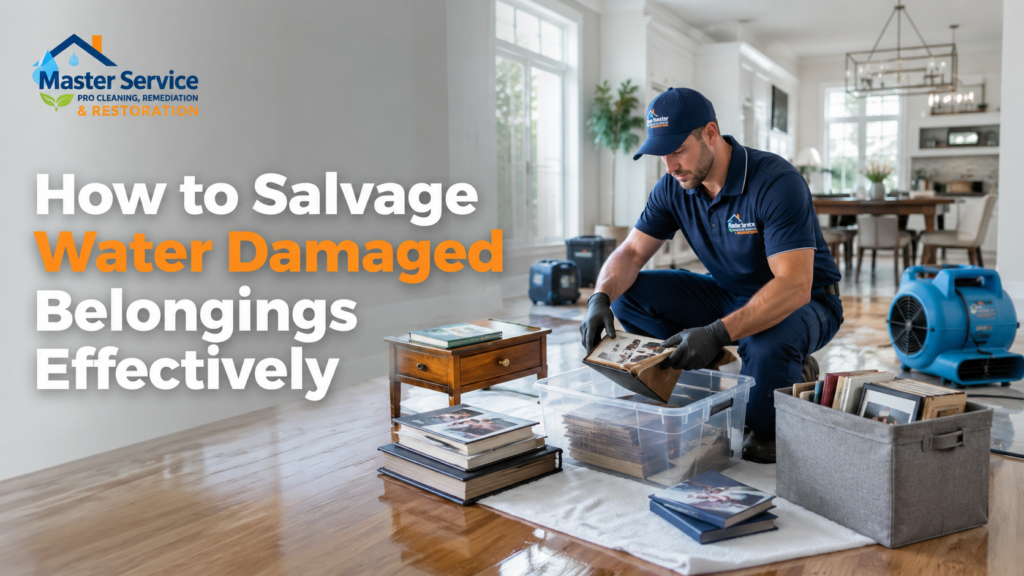
Salvaging water damaged belongings is a race against the clock. Mold begins colonizing organic materials within 24–48 hours of water exposure, meaning every hour you delay increases the risk of permanent loss. The industry term for this process is “contents restoration,” and it covers everything from soaked furniture and soaked documents to electronics and family heirlooms. Acting fast, staying safe, and knowing what can realistically be saved will determine how much you recover. This guide walks you through each step, from initial safety checks to professional intervention, so you can make smart decisions under pressure.
What safety precautions must you take before salvaging?
Safety comes before salvage. Every time. Structural soundness and electrical hazards must be confirmed before you set foot in a flooded space. A wet floor near a live outlet can be fatal, and a compromised ceiling or floor joist can collapse without warning.
Before entering any water-damaged area, work through this checklist:
- Shut off electricity to affected areas at the breaker panel before entering.
- Check for gas leaks. If you smell gas, leave immediately and call your utility provider.
- Identify the water category. Clean water from a burst pipe is far safer than gray water from an overflowing toilet or black water from sewage backup. Learn the water damage categories before touching anything.
- Wear personal protective equipment (PPE). At minimum: rubber gloves, waterproof boots, an N95 respirator, and safety goggles.
- Look up before you walk in. Saturated drywall and insulation can fall without warning.
- Stop the water source if it is still active. A running pipe leak compounds damage every minute.
Document everything before you move a single item. Photograph and video all damage thoroughly for your insurance claim. Insurers require visual proof of pre-removal conditions. Moving items before documenting can cost you thousands in denied claims.
Pro Tip: Use your phone to record a slow, continuous walkthrough video before touching anything. Narrate what you see. This creates a timestamped record that is far more persuasive to an adjuster than still photos alone.
If the water source is sewage backup or floodwater from outside, call a professional immediately. Contaminated water carries bacteria, viruses, and chemical hazards that PPE alone cannot fully protect against.
How do you triage and prioritize belongings for salvage?
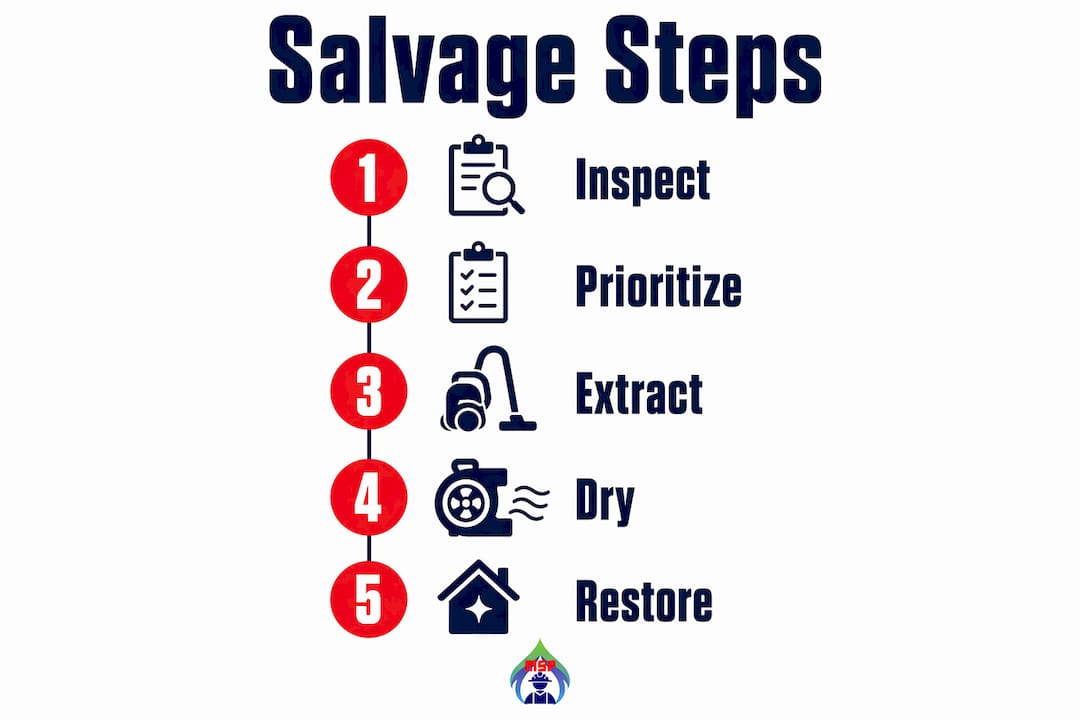
Triage is the most important decision you will make during recovery. Prioritize unique, irreplaceable items first: identity documents, passports, birth certificates, family photographs, and heirlooms. These cannot be replaced at any price. Easily replaceable items like mass-produced furniture and common household goods come last.
The material type of each item determines its salvage likelihood. Non-porous materials like glass, metal, and plastic can almost always be cleaned and restored. Porous materials like textiles and upholstered furniture absorb water deeply and often require professional intervention or replacement, especially after contaminated water exposure.
| Item Type | Salvage Likelihood | Required Action |
|---|---|---|
| Glass, metal, plastic | High | Clean with mild detergent, dry thoroughly |
| Hardwood furniture | Moderate | Air dry slowly, avoid direct heat |
| Documents and photos | Moderate to high | Freeze or keep wet for vacuum freeze-drying |
| Upholstered furniture | Low to moderate | Professional extraction and drying required |
| Mattresses (saturated) | Very low | Replacement usually necessary |
| Clothing and linens | High (clean water) | Machine wash with disinfectant |
When sorting items, keep these points in mind:
- Items soaked in clean water have a much higher recovery rate than those exposed to gray or black water.
- Mold can begin growing inside a soaked couch cushion within 24 hours, even if the surface looks dry.
- Never stack wet items on top of each other. Trapped moisture accelerates mold growth and causes dye transfer.
- Keep a written or photographic log of every item you move. This supports both insurance claims and restoration planning.
Pro Tip: Place wet documents and photographs in a sealed plastic bag and put them in your freezer immediately. Freezing halts further deterioration and buys you time to arrange professional vacuum freeze-drying later.
What are the best drying and cleaning methods for water-damaged items?
Proper drying is the single most critical factor in contents restoration. Rushing this step with the wrong methods causes irreversible damage. The goal is controlled moisture removal, not speed.
Follow these steps in order:
- Remove standing water first. Use a wet/dry vacuum to extract as much water as possible from carpets, upholstery, and hard floors before anything else.
- Increase air circulation. Open windows and doors if outdoor humidity is lower than indoor humidity. Use box fans to direct air across wet surfaces.
- Run a dehumidifier. Dehumidification pulls moisture from the air and accelerates drying in enclosed spaces. This is non-negotiable for rooms with saturated walls or flooring.
- Blot, do not rub, wet fabrics. Rubbing spreads contaminants and damages fibers. Press clean towels firmly against wet textiles to absorb moisture.
- Clean surfaces with mild detergent. EPA guidance recommends gentle, damp cleaning rather than forceful scrubbing or high-pressure hoses. Forceful methods aerosolize contaminants and create respiratory hazards.
- Dry furniture away from direct sunlight. Rapid heat drying causes wood to crack and warp. Move pieces to a shaded, well-ventilated area instead.
- Handle wet documents with extreme care. Do not pull apart stuck photos. Freeze them or keep them submerged in clean water until a professional can apply vacuum freeze-drying, which removes moisture by skipping the liquid phase entirely.
- Disinfect non-porous surfaces. After cleaning, apply an EPA-approved disinfectant to hard surfaces that contacted floodwater.
Avoid these methods entirely:
- Heat guns or hair dryers on wood or paper. They cause cracking, warping, and brittleness.
- High-pressure water hoses for cleaning. They spread contaminants further and damage surfaces.
- Bleach on porous materials. Bleach does not penetrate porous surfaces effectively and can degrade fibers.
Pro Tip: Place a hygrometer (a simple humidity meter available at most hardware stores) in the drying room. Target indoor relative humidity below 50%. Above that level, mold risk remains elevated even if surfaces feel dry to the touch.
Salvaging wet furniture made of solid wood requires patience. Rapid drying causes more damage than slow, controlled airflow. Give wood pieces at least several days to dry naturally before assessing whether warping or cracking has occurred.
When should you call a professional restoration service?
DIY methods have real limits. Improper cleaning with the wrong chemicals can permanently set stains and odors into materials, making professional restoration far more difficult afterward. Knowing when to stop and call an expert protects both your belongings and your health.
Call a professional restoration service when you encounter any of these situations:
- Mold is already visible. Mold remediation requires containment protocols that go beyond household cleaning.
- The water source was sewage or floodwater. Category 3 black water contamination requires professional-grade decontamination.
- Electronics were submerged. Do not attempt to power on any device that has been wet. Professionals can assess and sometimes restore electronics safely.
- Photographs, artwork, or irreplaceable documents are damaged. Vacuum freeze-drying and specialized conservation techniques are only available through professional contents restoration services.
- Saturation is extensive. If walls, subfloors, or large furniture pieces are deeply saturated, professional water extraction and drying equipment is required to prevent structural damage and mold colonization.
- You notice persistent odors after drying. Lingering musty smells indicate hidden moisture or active mold growth inside walls or under flooring.
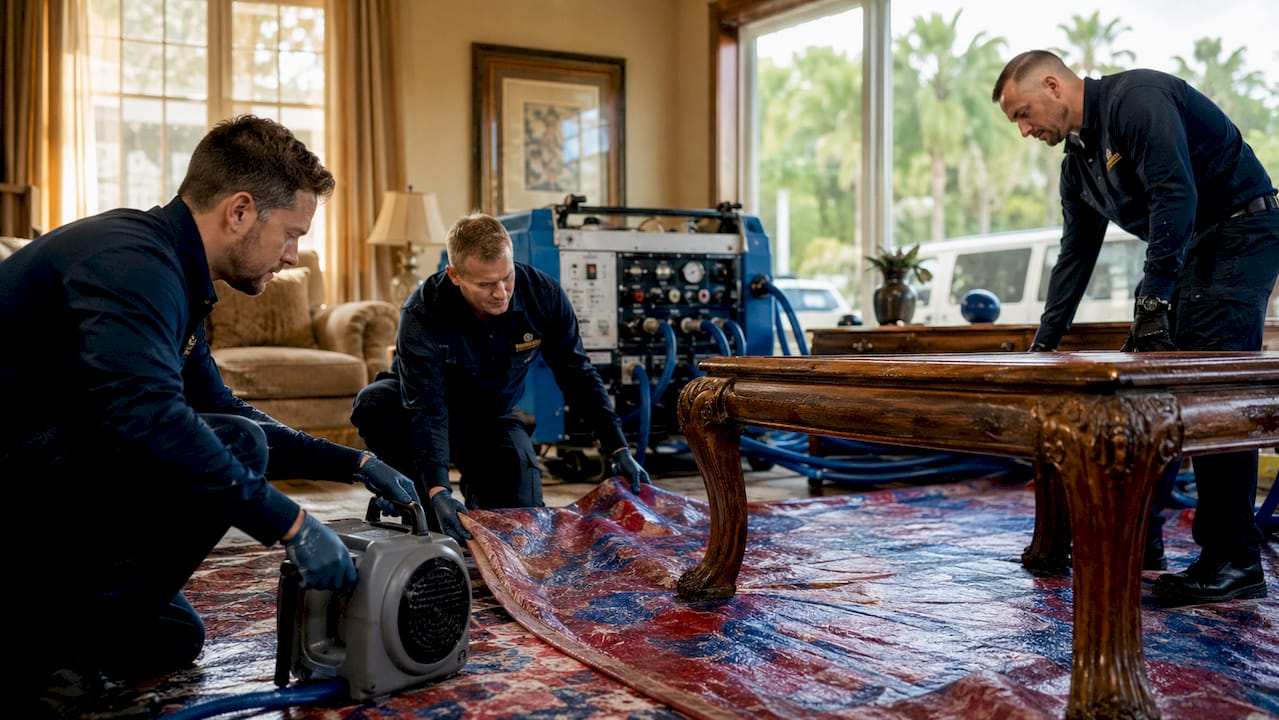
Professional restorers use climate-controlled pack-out facilities to remove and store contents while your home dries. Mold spores colonize within 24–48 hours, and a controlled environment stops that clock. IICRC-certified technicians, like those at Masterservicepro, follow industry-standard drying protocols that DIY methods cannot replicate. Professionals also generate detailed documentation of every item, which strengthens your insurance claim significantly.
Common mistakes that destroy salvageable belongings
The water damage recovery process fails most often not from bad luck, but from avoidable errors. Delayed action is the single biggest mistake. Every hour past the 24–48 hour window reduces salvage success rates and increases mold risk.
Watch out for these common errors:
- Skipping documentation. Moving items before photographing them can invalidate insurance claims.
- Pulling apart wet photographs or papers. This tears fibers and destroys images permanently. Freeze them instead.
- Overlooking hidden moisture. Drawers, cabinet interiors, and items stacked in piles trap moisture long after surfaces feel dry. Check inside and underneath everything.
- Using harsh chemicals on fabrics. Bleach, ammonia, and undiluted cleaners damage fibers and can make odors worse.
- Assuming dry means safe. An item can feel dry on the surface while retaining enough moisture inside to grow mold within days.
- Ignoring air quality. Mold spores become airborne during cleanup. Run an air purifier with a HEPA filter in the work area.
Pro Tip: After drying, store recovered items in a room with consistent low humidity for at least two weeks before returning them to their original location. This prevents recontamination from residual moisture in walls or floors.
Long-term protection means addressing the root cause. A flooded basement cleanup that does not include a moisture barrier or sump pump inspection will likely flood again. Repair the source, not just the symptoms.
Key Takeaways
Effective contents restoration depends on speed, safety, and the right technique for each material type.
| Point | Details |
|---|---|
| Act within 24–48 hours | Mold colonization begins fast; every hour of delay reduces salvage success. |
| Safety before salvage | Confirm structural soundness and electrical safety before entering any flooded space. |
| Triage by value and material | Save irreplaceable items first; non-porous materials recover best, porous ones need professional help. |
| Use controlled drying methods | Dehumidification and gentle airflow outperform heat and high-pressure cleaning every time. |
| Know when to call a professional | Contaminated water, mold growth, and submerged electronics all require certified restoration expertise. |
What I have learned after years of water damage recovery work
Water damage is one of those events where the gap between “acted fast” and “waited a day” is enormous. I have seen families save nearly everything from a burst pipe because they called within two hours. I have also seen people lose irreplaceable photographs because they assumed a few days would not matter.
The most persistent misconception I encounter is that visible dryness means the job is done. It does not. Moisture hides inside wood joints, behind baseboards, and under stacked items. A surface that looks dry can still be wet enough to grow mold within 48 hours. A hygrometer costs less than $20 and removes all the guesswork.
The second misconception is that professional help is only for catastrophic floods. That is wrong. Even a moderate plumbing leak that soaks a couch or a box of documents warrants a professional assessment. The cost of a consultation is almost always less than the cost of replacing what gets lost to mold or improper handling.
My honest recommendation: prioritize sentimental items over cosmetic ones. A warped bookshelf can be replaced. A grandmother’s handwritten letters cannot. Make peace with losing some things, and put your energy where it counts most.
— John
Masterservicepro is ready when water damage strikes
Water damage does not wait for a convenient time, and neither does Masterservicepro. Our IICRC-certified technicians respond fast, assess the full scope of damage, and begin professional water damage restoration immediately.
We handle water extraction, dehumidification, mold remediation, and contents salvage under one roof, so you never have to coordinate multiple contractors during an already stressful situation. We also provide detailed damage documentation to support your insurance claim from day one. Serving Lake County, Cook County, DuPage County, Will County, and Kane County, IL, Masterservicepro is the certified team families trust when it matters most. Call us and let our team protect what you cannot afford to lose.
FAQ
How quickly must I act to save water-damaged belongings?
Water-damaged items must be addressed within 24–48 hours to prevent mold growth and permanent damage. Acting within the first few hours gives you the best chance of full recovery.
Can I salvage upholstered furniture after flooding?
Upholstered furniture soaked in clean water can sometimes be restored with professional extraction and drying. Furniture exposed to sewage or floodwater typically requires replacement due to deep contamination.
What is vacuum freeze-drying and when is it used?
Vacuum freeze-drying removes moisture from wet documents and photographs by skipping the liquid phase entirely, which prevents further tearing or image loss. It is the most effective method for restoring water-damaged photos and documents.
Should I document damage before moving anything?
Yes. Photograph and video all damage before moving or discarding any item. Insurers require visual proof of pre-removal conditions to process claims accurately.
When does water damage require professional restoration?
Call a professional when you see mold, when the water source was sewage or floodwater, or when electronics, photographs, or large furniture pieces are deeply saturated. DIY methods cannot safely address Category 3 contamination or prevent mold in heavily saturated materials.