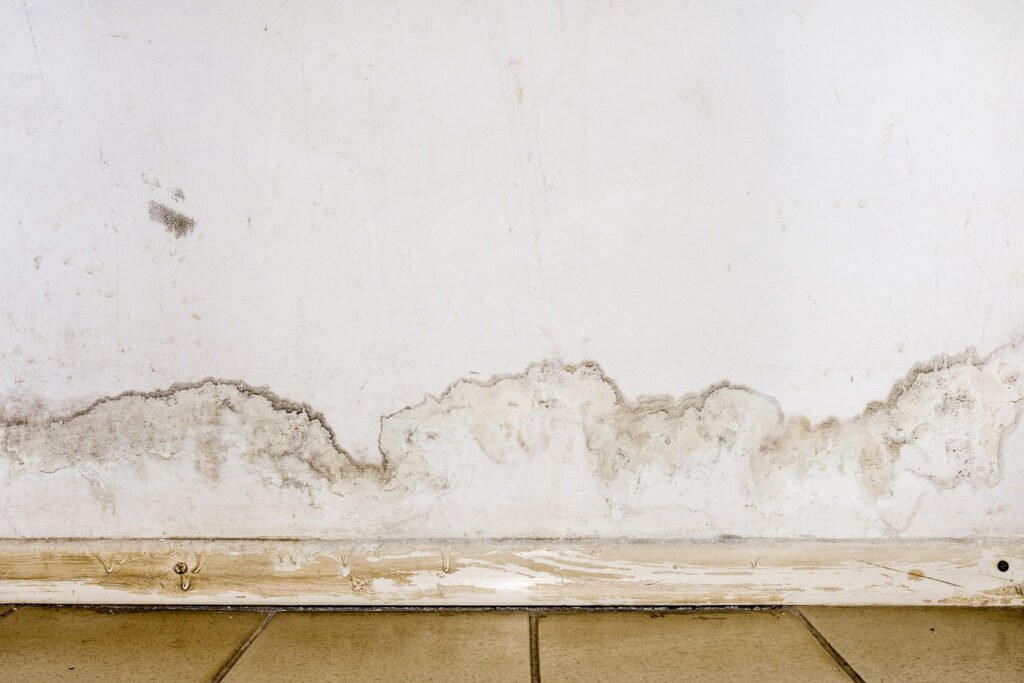
Late-August heat can leave Northfield homes and businesses feeling cool indoors but damp in unexpected places. After several hot, humid days, you may notice sweating ductwork, wet window sills, damp basement walls, or a musty smell that was not there before. Condensation can seem minor, but repeated moisture may lead to mold growth, damaged finishes, and hidden water damage in Northfield properties.
Unlike a burst pipe, condensation often builds slowly. A small wet spot can affect drywall, flooring, insulation, furniture, and other materials before the problem becomes obvious. Professional moisture assessment can help identify moisture sources and dry affected areas in residential, commercial, and industrial buildings.
Why Late-Summer Humidity Creates Hidden Moisture
Condensation forms when warm, moisture-heavy air touches a cooler surface. During late summer, air conditioning can cool indoor air and nearby materials while outdoor humidity remains high. That temperature difference can leave water droplets on cold surfaces throughout a property.
We often recommend paying attention to places such as:
- AC vents, supply lines, and ductwork
- Basement walls and cold water pipes
- Window glass, frames, and sills
- Utility rooms, laundry areas, and HVAC closets
- Crawl spaces with limited airflow
Air conditioning should remove moisture as it cools a building, but problems can develop when equipment is poorly maintained, improperly insulated, oversized for the space, or unable to keep indoor humidity under control. A blocked condensate drain can also release water where it does not belong.
Finished basements, older windows, and enclosed spaces can be especially vulnerable. Wiping away water may help temporarily, but recurring condensation deserves a closer look. The moisture may be coming from indoor humidity, an HVAC issue, outside drainage, a plumbing connection, or more than one source at once.
Where Condensation Hides and How Damage Begins
Moisture does not always appear in the middle of a room where it is easy to spot. It may collect behind large furniture, under sinks, around window frames, in basement corners, or inside wall cavities. By the time discoloration or a strong odor appears, nearby materials may have been damp for some time.
Different materials react differently when moisture stays in place. Wood can warp, paint can peel, baseboards can swell, and drywall can soften or weaken. Insulation may hold moisture without showing clear signs from the room. Metal fixtures and components can rust, while ceilings may develop yellow or brown stains if water travels from above.
Trapped moisture also creates conditions that can support mold growth on damp organic materials. Musty odors, spotting near vents or windows, and recurring discoloration should not be ignored. We recommend professional moisture detection when dampness keeps returning, especially when the affected area includes drywall, carpeting, subflooring, insulation, or furnishings.
Signs of Water Damage in Northfield Properties
A property does not need standing water to have a moisture problem. Early warning signs can be subtle, which is why regular checks during humid weather can help prevent larger repairs later.
Watch for changes like:
- Persistent musty odors
- Visible droplets on vents, pipes, windows, or walls
- Bubbling paint or peeling finishes
- Warped flooring, swollen trim, or soft drywall
- Damp carpeting, ceiling stains, or recurring mold growth
Surface condensation may be limited to a cool window or pipe, but repeated wetness often points to a larger issue. Expanding stains, moisture around plumbing connections, unusually humid rooms, or a rising water bill may signal a leak, drainage concern, or HVAC malfunction.
Documenting what you see can help track whether the issue is spreading. If ventilation and normal drying efforts do not stop the moisture, professional assessment is the safer choice. Hidden water damage in Northfield can move behind walls, beneath flooring, and into other concealed areas without obvious surface flooding.
Controlling Humidity and Choosing Professional Drying
Keeping indoor humidity between 30% and 50% can reduce the chance of condensation reaching building materials. We recommend using properly sized dehumidification in basements and other damp areas, keeping HVAC filters clean, maintaining AC equipment, and making sure condensate drain lines remain clear.
Airflow also matters. Exhaust fans in bathrooms and laundry rooms can help move moist air out of enclosed spaces. Supply vents should remain open and unobstructed, while furniture should not be packed tightly against cooler exterior basement walls. Outside moisture management matters too, since overflowing gutters, poor grading, window well drainage problems, and foundation drainage concerns can add to indoor humidity.
Professional drying is particularly important when moisture has entered wall cavities, insulation, carpeting, subflooring, ductwork, or other concealed materials. Our team can assess the affected materials, map moisture, dry the area with professional equipment, and help address mold concerns, cleaning needs, and reconstruction when damage requires it.
Late-summer dampness can become more complicated as temperatures shift and properties are closed up for fall. Prompt inspection, humidity control, and complete drying can help keep a small moisture issue from turning into a larger repair project.
Protect Your Home From Further Damage
Master Service Pro provides prompt assessment and restoration for water damage in Northfield, helping address affected materials before damage spreads. Our team can identify moisture concerns and recommend the appropriate next steps for your property. Contact us to discuss your situation and arrange service.
FAQs
Why Does Condensation Get Worse In Northfield During Late Summer?
Late-summer heat and humidity can create condensation when warm outdoor air reaches cooler indoor surfaces. Air conditioning ducts, basement walls, windows, pipes, and vents can all collect moisture when there is a strong temperature difference.
Can Air Conditioning Cause Water Damage?
Yes. AC systems can contribute to water damage when condensate drain lines clog, ductwork lacks insulation, indoor humidity remains high, or the system is not removing moisture effectively. Water around an HVAC unit or supply line should be investigated.
How Can I Tell If Condensation Is Causing Mold Growth?
Musty odors, recurring damp spots, peeling paint, discoloration, and visible mold near windows, basement walls, vents, or pipes may suggest that ongoing moisture is supporting mold growth. Professional assessment can help identify moisture that is hidden from view.
Should I Use A Dehumidifier In My Basement During Late Summer?
A dehumidifier can help lower basement humidity and reduce condensation. It is also important to check for drainage, plumbing, foundation, or ventilation concerns that may be adding moisture to the space.
When Should I Call A Water Damage Restoration Professional?
Professional help is appropriate when moisture keeps returning, materials remain damp, mold is visible, water has entered walls or flooring, or the source of the problem is unclear. Early drying and moisture detection can limit the spread of damage.