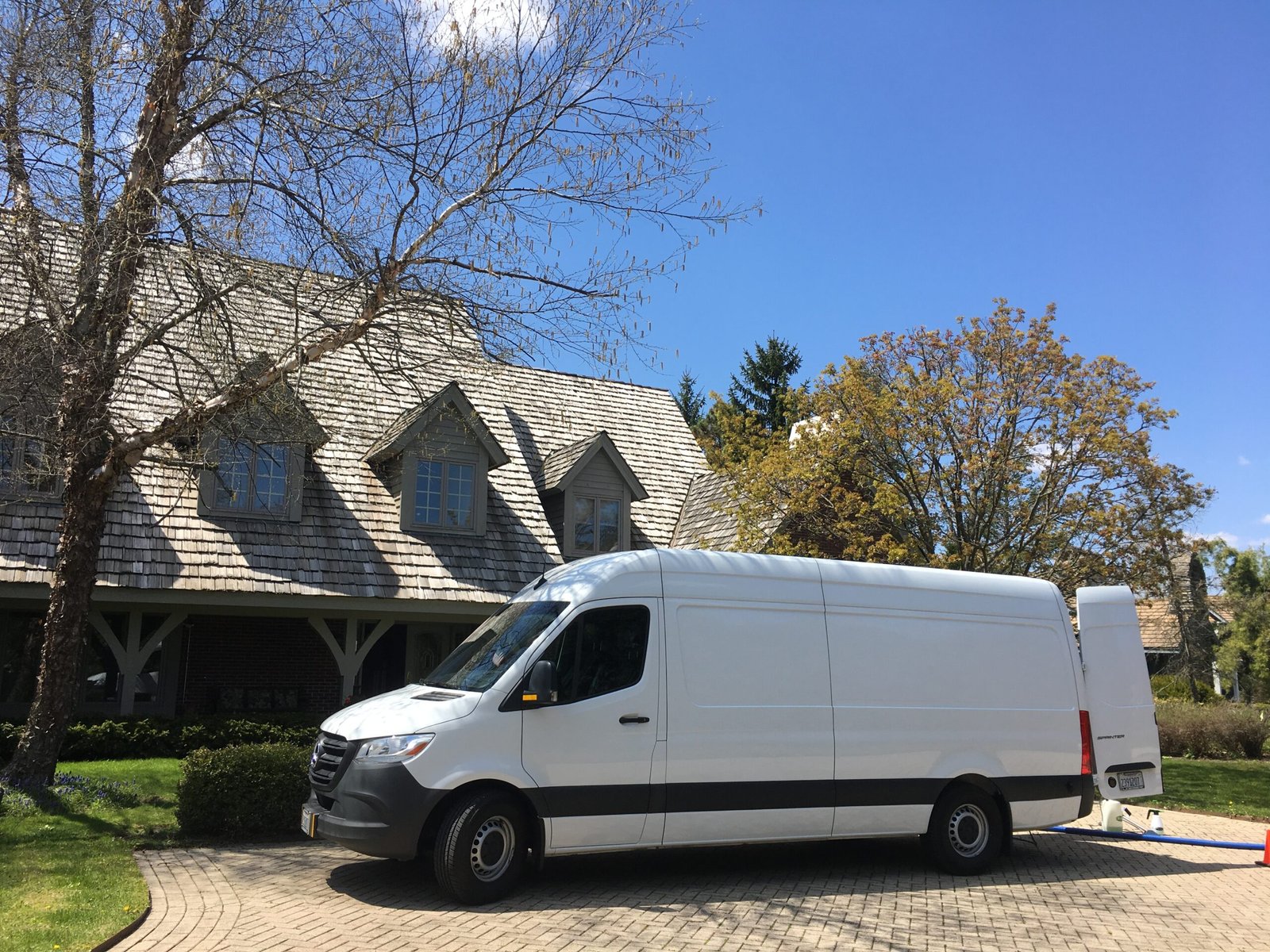
Deep steam cleaning is defined as a high-temperature sanitation method that uses pressurized steam to penetrate carpet fibers, upholstery fabric, and hard surfaces, killing pathogens and lifting embedded debris without chemical agents. Unlike a standard vacuum or surface wipe-down, this process reaches the base of carpet pile and the underside of fabric weaves where allergens, bacteria, and mold spores accumulate unseen. For homeowners in high-traffic households or anyone managing asthma, pet allergies, or persistent odors, it delivers results that no spray bottle can match. The industry term for the most common residential version is hot water extraction, though dry steam cleaning is the preferred method for hard surfaces and delicate materials.
What is deep steam cleaning and why does it matter for your home?
Steam cleaning kills 99.9% of germs including bacteria, viruses, and mold spores at temperatures at or above 212°F. That single fact separates steam from every other consumer cleaning method available to homeowners today. No disinfectant spray achieves that level of pathogen elimination on porous surfaces like carpet backing or grout lines.
The health implications go further. Steam eliminates VOC residues left behind by chemical cleaners, making it the preferred choice for households with allergy or asthma sufferers. VOC exposure is especially concentrated in small, poorly ventilated rooms, which is exactly where carpets and upholstered furniture sit. Removing the chemical source entirely is a meaningful upgrade in indoor air quality, not just a marketing claim.
Steam also handles odors differently than any spray product. It breaks down organic compounds causing odors at the molecular level rather than masking them with fragrance. Pet urine, mildew, and food residues all have organic structures that steam physically dismantles. That is why a room cleaned with steam smells genuinely clean rather than artificially scented.
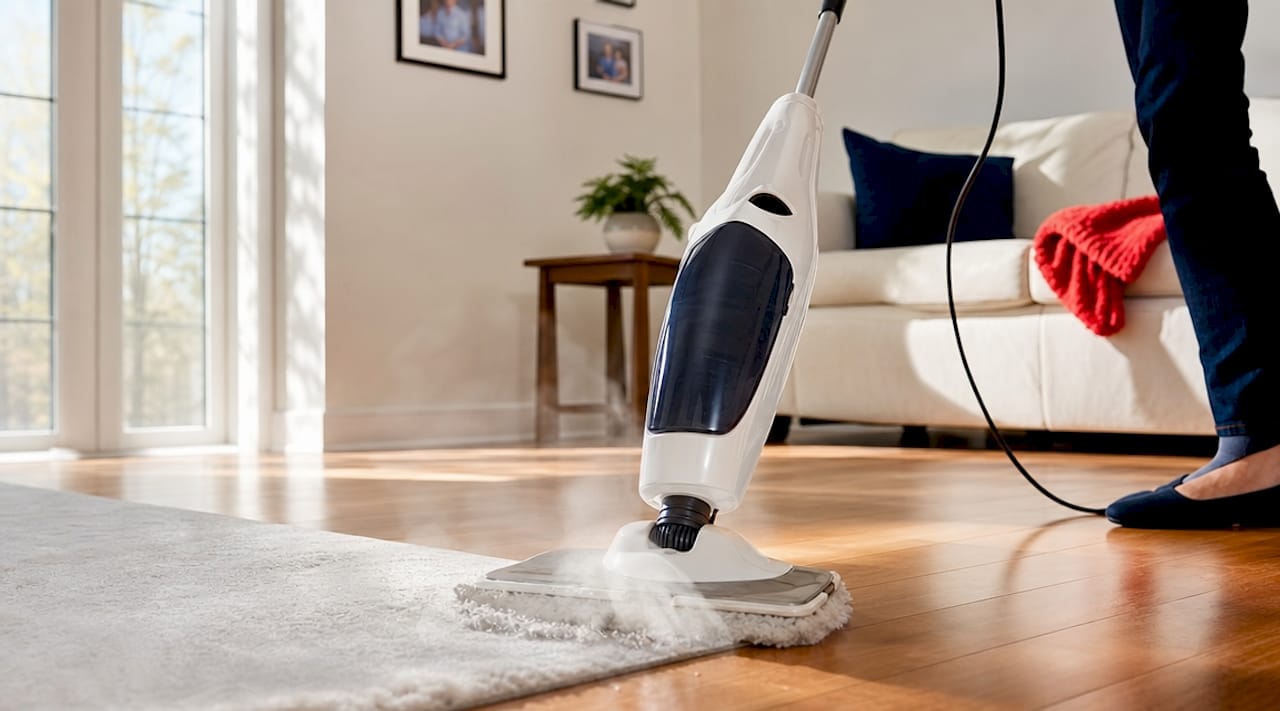
For carpets, upholstery, and tile grout, the combination of heat, pressure, and moisture extraction lifts what vacuuming leaves behind. Dust mites, pet dander, and pollen particles embed deep in fibers and are not removed by suction alone. Steam loosens and extracts them, which is why regular carpet cleaning is directly tied to measurable improvements in indoor allergen levels.
What equipment do you need for effective steam cleaning at home?
Choosing the right machine is the decision that determines your results. Consumer-grade steam cleaners from brands like Bissell, Hoover, and McCulloch work well for routine maintenance on hard floors and light upholstery. Professional-grade hot water extraction machines, the kind used by IICRC-certified technicians, operate at higher pressure and temperature and extract significantly more moisture, which shortens drying time and reduces mold risk.
The distinction between wet and dry steam matters for surface selection. Dry steam cleaning uses less than 5% moisture content at temperatures above 300°F, making it ideal for tile, grout, kitchen appliances, and sealed hardwood. Wet steam, or hot water extraction, uses more moisture and is the standard for carpets and heavily soiled upholstery. Using wet steam on a delicate silk rug or unsealed hardwood causes damage that is expensive to reverse.
| Machine type | Best surfaces | Moisture level | Typical use |
|---|---|---|---|
| Dry steam cleaner | Tile, grout, appliances, sealed wood | Under 5% | Hard surface sanitation |
| Hot water extractor | Carpets, rugs, heavy upholstery | High | Deep fiber cleaning |
| Handheld steam cleaner | Upholstery, curtains, mattresses | Low to medium | Spot treatment and fabric refresh |
| Canister steam cleaner | Multi-surface: floors, counters, bathrooms | Medium | General household cleaning |
Before you start, gather these supplies:
- A quality vacuum (upright or canister) for pre-cleaning
- Enzyme-based pre-treatment spray for pet stains and organic residues
- Microfiber cloths for wiping attachments and blotting
- Surface-specific attachments: a carpet glide, upholstery brush, and grout nozzle
- Fans or a dehumidifier for post-cleaning airflow
Pro Tip: Vacuum the area twice before steaming. The first pass removes surface debris; the second lifts loosened particles from deeper in the pile. Skipping this step turns dry dirt into mud inside your machine and inside your carpet.
Vacuuming before steam cleaning is not optional preparation. It is a technical requirement. Surface dirt that gets wet during steaming bonds to fibers and becomes harder to extract, not easier.
How to steam clean carpets, upholstery, and hard surfaces step by step
Preparing the space
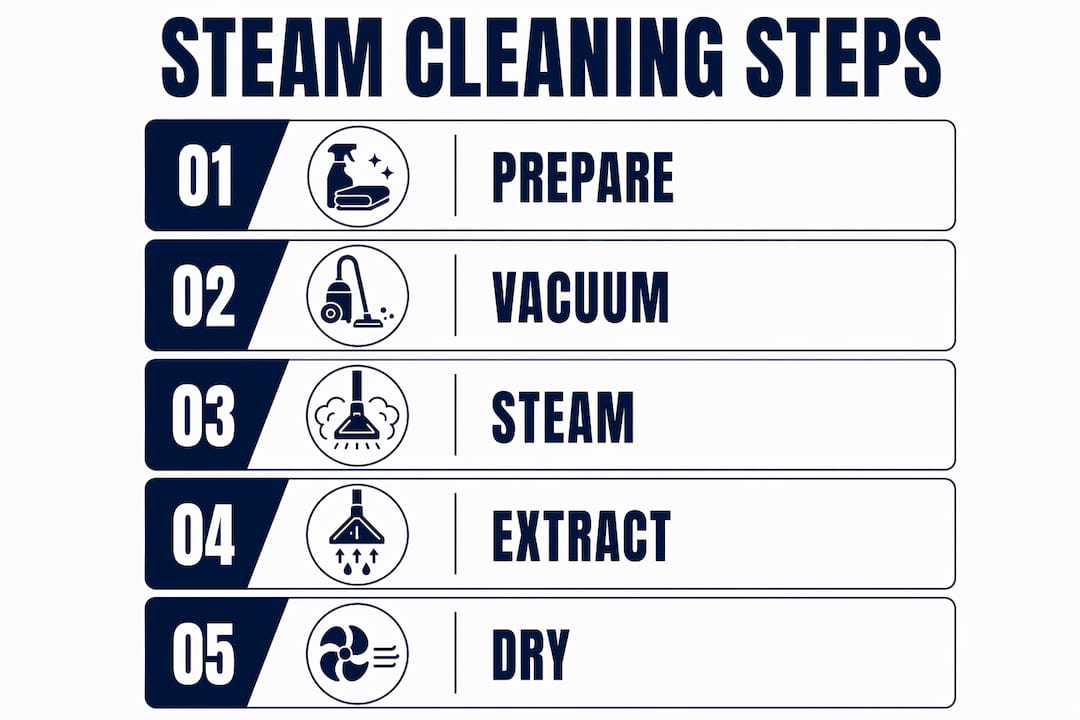
Clear furniture from the area and divide the room into manageable sections, roughly 3-by-3-foot grids. Vacuum thoroughly, then apply an enzyme-based pre-treatment to any visible stains or high-traffic zones. Let the pre-treatment dwell for 5 to 10 minutes before steaming. This breaks down protein-based residues so the steam can extract them cleanly.
Using the steam cleaner correctly
- Fill the machine with clean water only. Never add cleaning solutions unless the manufacturer explicitly approves it for that model.
- Allow the machine to reach full operating temperature before touching the surface. Most units signal readiness with a light or audible tone.
- Move the steam head slowly and deliberately. Fast passes leave moisture without extracting debris. A pace of about one foot every two seconds is effective for carpets.
- Overlap each pass by about 20% to avoid leaving untreated strips.
- On hard surfaces, use the dry steam setting and keep the nozzle moving. Holding it stationary on tile can crack grout or warp certain sealants.
- For upholstery, use the fabric attachment and work with the grain of the material. Test a hidden area first.
- Empty and refill the dirty water tank frequently. Running the machine on dirty water redeposits contaminants into the surface.
Special considerations for upholstery and delicate fabrics
Always test surfaces for heat and moisture sensitivity before full treatment. Press the steam head against a hidden seam for five seconds and check for color bleed, shrinkage, or texture change. Velvet, silk, and certain synthetic blends do not tolerate steam. For area rug cleaning, check the fiber content label before proceeding.
Drying and ventilation
Carpets typically take 6 to 12 hours to dry fully after hot water extraction. Open windows, run ceiling fans, and place box fans at room entrances to maximize airflow. A dehumidifier cuts drying time significantly in humid climates or during winter months when windows stay closed. Do not replace furniture or allow foot traffic until the carpet is completely dry to the touch.
Pro Tip: Place aluminum foil squares under furniture legs if you must move pieces back into a damp room. This prevents rust stains and dye transfer from wood legs onto wet carpet fibers.
Common challenges when steam cleaning and how to solve them
Avoiding over-wetting and mold risk
Over-wetting is the most common DIY mistake. Imbalanced moisture in carpet padding creates ideal conditions for mold growth within 24 to 48 hours, a problem that is far more expensive to fix than the original cleaning job. If the carpet feels saturated rather than damp after cleaning, you applied too much moisture. Run fans immediately and consider renting a professional-grade water extractor to pull out excess water.
Key warning signs that moisture management has gone wrong:
- A musty smell appearing 24 to 48 hours after cleaning
- Carpet backing that feels wet more than 12 hours after treatment
- Visible wicking, where stains reappear as the carpet dries from the bottom up
“Multiple cleaning layers, including vacuuming, steaming, and air purifying, work best together to sustain indoor air quality over time.” This is why a single steam session is maintenance, not a permanent fix.
Dealing with stubborn stains and persistent odors
Stubborn stains that survive steam treatment usually have one of two causes: they were set by heat from a previous cleaning attempt, or they are wicking up from the carpet pad. For set stains, apply an enzyme cleaner and let it work for 20 minutes before re-steaming. For wicking stains, the pad itself may need replacement, which is a job for a professional service.
When to call a professional
Steam cleaning at home works well for routine maintenance. Call a professional when you are dealing with sewage backup residue, confirmed mold in the carpet pad, or water damage that has been sitting for more than 24 hours. Consumer machines do not generate the extraction power needed to address those situations safely.
How does steam cleaning compare to other carpet cleaning methods?
| Method | Allergen removal | Chemical use | Drying time | Cost (DIY) | Best for |
|---|---|---|---|---|---|
| Hot water extraction (steam) | High | None | 6 to 12 hours | Moderate | Carpets, heavy soiling |
| Dry cleaning (encapsulation) | Moderate | Yes | 1 to 2 hours | Low | Light maintenance |
| Chemical shampooing | Moderate | Yes | 4 to 8 hours | Low | Surface-level cleaning |
| Dry steam (vapor) | High | None | Under 1 hour | Moderate | Hard surfaces, upholstery |
| Bonnet cleaning | Low | Yes | 1 to 2 hours | Low | Commercial appearance cleaning |
Steam cleaning outperforms chemical methods on two specific metrics: allergen removal and indoor air quality impact. Chemical shampooing and encapsulation leave residues in carpet fibers that attract dirt and can trigger respiratory responses in sensitive individuals. Steam leaves no residue because it uses only water. The tradeoff is longer drying time, which requires planning and proper ventilation.
The impact on indoor air quality is measurable. Homes cleaned regularly with steam show lower concentrations of dust mite allergens and mold spores compared to homes maintained with chemical-only methods. For families managing allergies or asthma, that difference is clinically relevant, not just a comfort preference.
For hard surfaces specifically, eco-friendly hard surface cleaning with dry steam vapor outperforms chemical disinfectants on grout lines and textured tile where liquid cleaners pool rather than penetrate. Professional steam cleaning appointments for a standard residential home typically last 1 to 2 hours, making it a practical option even for busy households.
Key takeaways
Deep steam cleaning is the most effective chemical-free method for eliminating allergens, bacteria, and odors from carpets, upholstery, and hard surfaces while improving indoor air quality.
| Point | Details |
|---|---|
| Sanitation without chemicals | Steam at 212°F or above kills 99.9% of bacteria, viruses, and mold spores with no chemical residue. |
| Equipment choice determines results | Match the machine to the surface: dry steam for hard floors and tile, hot water extraction for carpets. |
| Preparation is non-negotiable | Vacuum twice and pre-treat stains before steaming to prevent mud formation and improve extraction. |
| Drying time requires active management | Carpets need 6 to 12 hours to dry; use fans and a dehumidifier to prevent mold in the padding. |
| Professional help has a clear threshold | DIY steam cleaning handles routine maintenance; sewage backup, mold, and water damage require certified technicians. |
What I’ve learned from years of watching steam cleaning done right and wrong
The most common mistake I see homeowners make is treating steam cleaning as a one-time fix rather than a maintenance practice. They rent a machine, clean the carpets once, and expect the results to last indefinitely. Professional steam cleaning is recommended every 6 to 12 months for most households, and more often if you have pets, young children, or anyone with respiratory conditions. That frequency is not a sales tactic. It reflects how quickly allergen levels rebuild in lived-in spaces.
The second thing I have noticed is that people underestimate drying. They steam clean on a Saturday afternoon, put the furniture back that evening, and wonder why the carpet smells musty by Monday. Proper drying is where the work actually happens. The steam does the sanitizing; the airflow does the protecting. Skipping ventilation after a good cleaning session is like washing your hands and then drying them on a dirty towel.
My honest advice: if you have never steam cleaned before, start with a small room or a single piece of upholstery. Get comfortable with the machine’s pace and the surface’s response before tackling an entire floor. And if you are dealing with anything beyond routine dirt, including water damage, mold suspicion, or sewage-related contamination, do not attempt it yourself. The cost of a professional is always less than the cost of a mold remediation job caused by improper moisture management.
— John
How Masterservicepro can handle the deep cleaning your home needs
When DIY steam cleaning is not enough, Masterservicepro brings IICRC-certified technicians and professional-grade equipment to homes across Lake County, Cook County, DuPage County, Will County, and Kane County, IL. Their team handles carpet steam cleaning, upholstery cleaning, tile and grout cleaning, and full water damage restoration under one roof.
If you have noticed musty odors returning after cleaning, visible mold near baseboards, or carpets that never seem fully dry, those are signs of a deeper moisture problem. Masterservicepro’s technicians assess the full picture, from surface cleaning to mold remediation, so you are not managing two separate contractors for one connected problem. With a 100% satisfaction guarantee and five-star reviews across the region, they are the team to call when the job goes beyond what a rental machine can handle. Contact Masterservicepro to schedule a professional assessment today.
FAQ
What temperature does steam need to reach to sanitize surfaces?
Steam must reach at least 212°F to kill 99.9% of bacteria, viruses, and mold spores. Dry steam cleaners operate above 300°F for hard surface sanitation without soaking the material.
How often should you deep steam clean carpets?
Professional steam cleaning is recommended every 6 to 12 months for most households. High-traffic homes or those with pets and allergy sufferers benefit from cleaning every 3 to 6 months.
Can steam cleaning cause mold in carpets?
Yes, if moisture is not properly managed. Carpets that stay wet for more than 12 hours are at risk for mold growth in the padding. Use fans and a dehumidifier immediately after cleaning to bring drying time within the safe 6 to 12 hour window.
Is steam cleaning safe for all upholstery fabrics?
No. Velvet, silk, and certain synthetic blends do not tolerate heat or moisture. Always test a hidden area for 5 seconds before full treatment, and check the fabric care label for steam compatibility.
Does steam cleaning remove pet odors permanently?
Steam breaks down the organic compounds that cause pet odors at the source rather than masking them. For deeply set urine odors that have reached the carpet pad, an enzyme pre-treatment combined with steam extraction delivers the most complete result.