
A mold remediation report is a formal document that certifies a property has been professionally assessed, treated, and cleared of mold contamination to safe, measurable standards. When you are buying or selling a home, this report is not optional paperwork. It is the difference between a clean transaction and a deal that collapses under legal scrutiny or buyer distrust. The industry standard term is a Certificate of Mold Remediation, often called a CMR, and understanding what is in one protects you whether you are the seller, the buyer, or a property manager responsible for tenant safety.
What does a mold remediation report include?
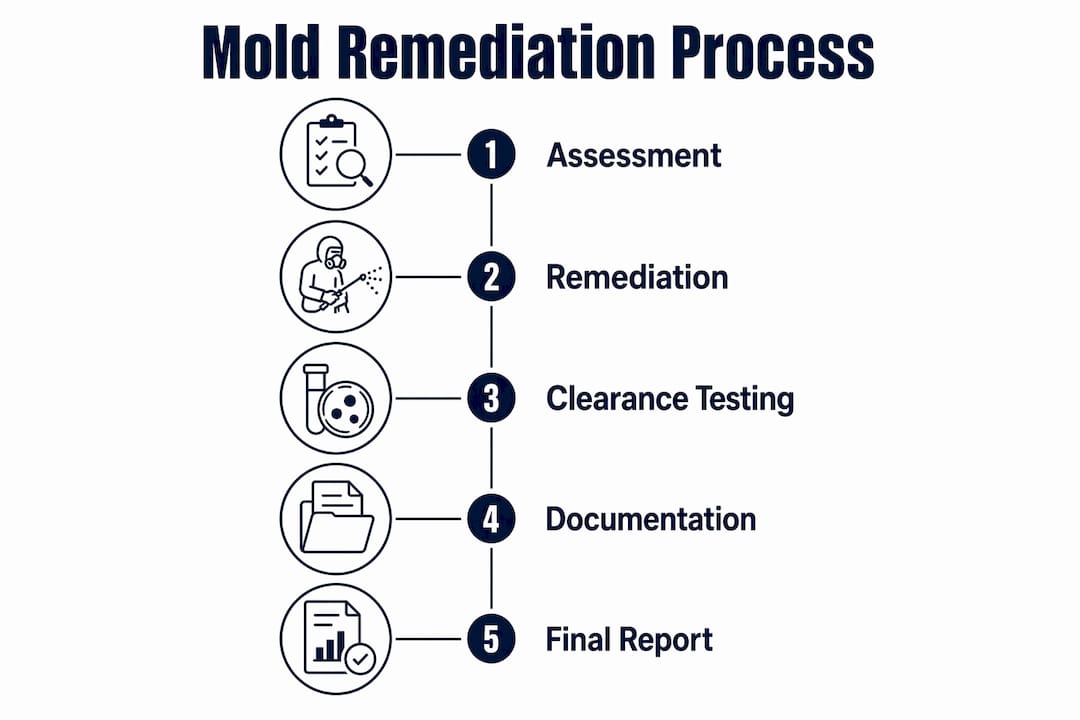
A mold remediation report documents every stage of the cleanup process, from the initial assessment through final clearance testing. It is not a simple pass/fail letter. The report contains visual inspection findings, moisture readings, lab results from air and surface sampling, and a formal clearance statement confirming spore counts have returned to acceptable levels.
The lab data section is where most homeowners get confused. Raw lab results alone are insufficient without professional interpretation relative to outdoor spore baselines and state clearance thresholds. A certified assessor compares indoor spore counts to outdoor samples taken the same day. If indoor counts are equal to or lower than outdoor counts, the property passes clearance. Without that context, a number on a page means nothing to a homeowner.
Here is what a complete mold assessment report typically contains:
- Visual inspection summary: Photos and written observations of affected areas, water intrusion points, and structural damage
- Moisture assessment: Readings from walls, floors, and ceilings using moisture meters to confirm the source has been corrected
- Air sampling results: Spore trap or cultured air samples from affected rooms and outdoor control samples
- Surface sampling results: Tape lift or swab samples from visible growth areas, sent to an accredited lab
- Remediation protocol: The specific scope of work performed, including containment methods, HEPA filtration, removal, and antimicrobial treatment
- Clearance statement: A formal declaration that the property meets safe occupancy standards
Pro Tip: Ask your assessor to include the outdoor baseline sample results in the final report. Without that comparison, the indoor numbers have no reference point, and a future buyer’s attorney will notice the gap.
The table below shows how a mold inspection report differs from a post-remediation clearance report, since buyers and sellers often confuse the two:
| Component | Mold inspection report | Post-remediation clearance report |
|---|---|---|
| Purpose | Identify and locate mold growth | Confirm mold has been successfully removed |
| Timing | Before remediation | After remediation is complete |
| Lab testing | Optional, used to identify species | Required, used to verify spore count levels |
| Clearance statement | Not included | Required for legal and sale purposes |
| Who orders it | Buyer, seller, or property manager | Remediator or property owner |
Why is a mold remediation report critical when selling a home?
A Certificate of Mold Remediation proves professional cleanup to safe standards and is required by lenders, insurers, and buyers to avoid sale delays. In Texas, this requirement is written into law. In Florida and other states with high humidity and mold prevalence, disclosure of past mold issues is legally required, and failing to provide documented proof of remediation can expose sellers to claims of fraudulent misrepresentation.
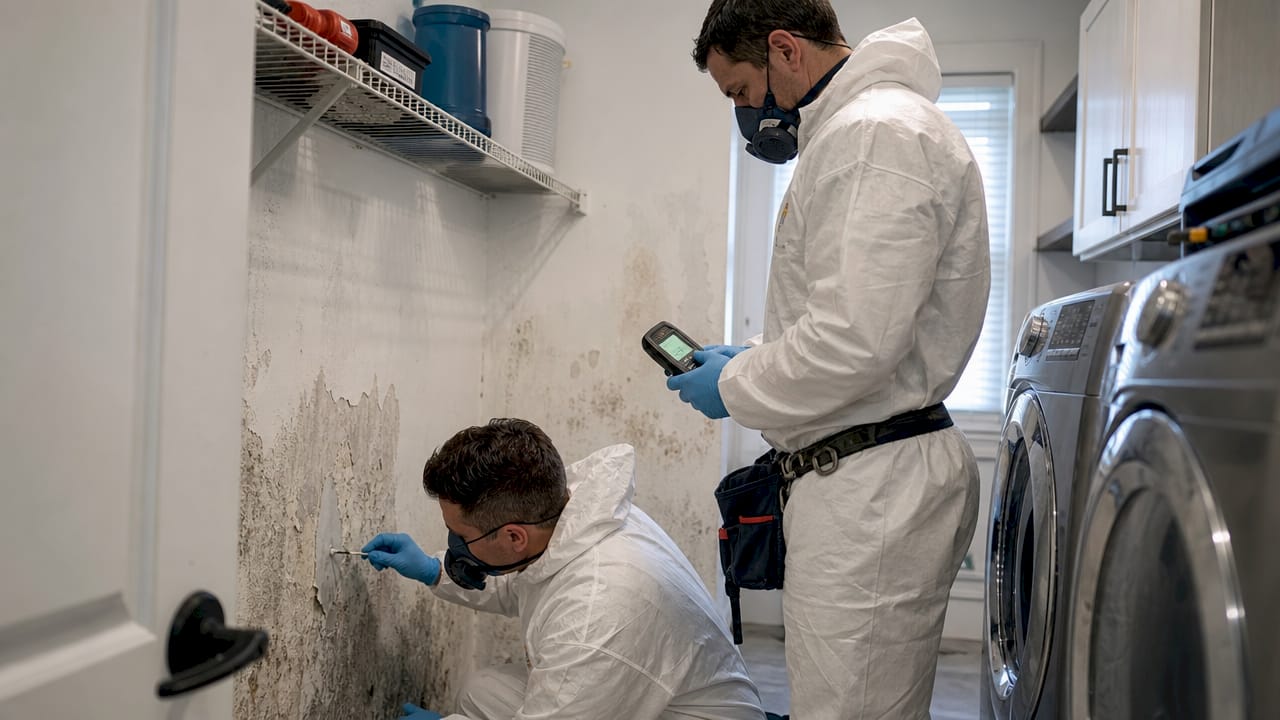
The legal exposure is real. A seller who knows about past mold, remediates it without documentation, and then sells the property without disclosure faces potential civil liability. A verified clearance report eliminates that risk by creating a paper trail that shows exactly what was found, what was done, and what the post-remediation conditions measured.
From a practical standpoint, independent clearance reports restore buyer confidence and act as powerful trust signals during property sales. Buyers who see a certified CMR in the disclosure package are far less likely to demand price reductions or walk away from the deal. Lenders, particularly those issuing FHA or VA loans, may require clearance documentation before approving financing on a property with a known mold history.
Key reasons to get mold clearance documentation before listing:
- Satisfies legal disclosure requirements in states like Texas and Florida
- Prevents lender-required delays during the mortgage approval process
- Reduces buyer negotiation leverage by eliminating uncertainty
- Protects sellers from post-sale lawsuits tied to undisclosed mold
- Provides insurers with verified remediation records for coverage decisions
Pro Tip: Store your full mold removal documentation file, including the original protocol, lab reports, photos, and clearance certificate, in a dedicated folder with your property records. A mold clearance certificate is a legally defensible document you may need years after the sale closes.
How much does a mold remediation report cost?
The cost of mold remediation and its associated documentation varies significantly based on property size, the extent of contamination, and the types of sampling required. Understanding the cost breakdown helps you budget accurately and avoid paying for services you do not need.
Post-remediation clearance testing typically costs $300 to $600 for a standard home, with individual sampling components ranging from $50 to $270 per sample and lab turnaround times of one to five days. That range reflects real differences in scope. A single-room bathroom remediation requires fewer samples than a whole-basement black mold removal project.
The full cost of mold remediation services follows a wider range. Professional remediation following IICRC S520 standards costs from $500 to over $30,000 depending on the scope, square footage, and structural involvement. A small surface mold issue in a bathroom sits at the low end. A mold colony that has spread through wall cavities, subfloor, and HVAC systems sits at the high end.
| Cost component | Typical price range | What it covers |
|---|---|---|
| Initial mold assessment | $200 to $600 | Visual inspection, moisture readings, sampling plan |
| Air and surface sampling | $50 to $270 per sample | Lab analysis of spore types and counts |
| Mold remediation service | $500 to $30,000+ | Containment, removal, HEPA cleaning, antimicrobial treatment |
| Post-remediation clearance testing | $300 to $600 | Final air and surface samples, clearance certificate |
| Full report documentation | Included or $100 to $300 | Written report with photos, data, and clearance statement |
Three factors drive cost more than any other:
- Property size: Larger homes require more sampling points and longer labor hours
- Mold species and severity: Stachybotrys chartarum (black mold) requires more aggressive containment protocols than surface mildew
- Lab turnaround time: Rush processing for a 24-hour result costs more than standard five-day turnaround
Pro Tip: Get separate quotes for the assessment and the remediation. Bundling both with one company creates a conflict of interest. An independent assessor has no financial incentive to inflate the scope of work.
How to choose a mold remediation assessment and clearance service
The single most important rule in hiring for mold work is this: the company that assesses the mold should not be the same company that remediates it. Texas law prohibits one company from performing both roles, and this separation exists for good reason. When the assessor and remediator are the same entity, there is a direct financial incentive to find more mold, recommend more work, and certify their own cleanup as successful.
The ideal mold remediation process involves three independent steps: a licensed assessor creates the remediation protocol, a separate company performs the cleanup, and either the original assessor or a third party conducts final clearance testing. This structure produces an unbiased result that holds up to legal scrutiny.
When hiring, look for these credentials and practices:
- IICRC certification: The Institute of Inspection, Cleaning and Restoration Certification sets the S520 standard for mold remediation. Certified technicians follow a documented process.
- State licensing: Many states require separate licenses for mold assessors and remediators. Verify your contractor holds the correct license for your state.
- Accredited lab partnerships: The assessor should send samples to an AIHA-accredited laboratory, not an in-house or unverified facility.
- Written remediation protocol: Before work begins, you should receive a written scope of work. If a contractor starts without one, stop the process.
- Clear timeline: A standard residential project runs from initial assessment to final clearance report in seven to twenty-one days, depending on remediation complexity and lab turnaround.
One often-overlooked detail: musty odors can persist after remediation if the original moisture source was not corrected. A clearance report that passes air sampling but ignores an active leak is not a real clearance. Confirm that your final report includes a moisture verification check, not just spore count data. You can review red flags in mold inspection reports to know what incomplete documentation looks like before you sign off.
Pro Tip: Ask any prospective assessor whether they use an AIHA-accredited lab and request the lab’s name before signing a contract. A reputable assessor will answer immediately. Hesitation is a warning sign.
Key takeaways
A mold remediation report is the legally and scientifically verified record that mold was found, properly removed, and confirmed safe, making it the single most protective document in any property sale involving past mold.
| Point | Details |
|---|---|
| Report components matter | A complete report includes visual findings, moisture data, lab results, and a formal clearance statement. |
| Legal protection is real | States like Texas legally require a Certificate of Mold Remediation; failure to disclose can result in fraud claims. |
| Costs vary by scope | Clearance testing runs $300 to $600; full remediation ranges from $500 to over $30,000 depending on severity. |
| Independent testing is non-negotiable | Separate assessors and remediators prevent conflicts of interest and produce credible, defensible results. |
| Documentation lasts beyond the sale | Keeping your full remediation file protects you against liability years after the transaction closes. |
What I have learned from years of mold documentation cases
After working alongside certified remediation teams across Lake County, Cook County, and DuPage County, the pattern I see most often is not bad remediation. It is incomplete paperwork. A homeowner spends $4,000 on professional mold removal, the work is done correctly, and then they list the property with nothing more than a contractor’s invoice. That invoice is not a clearance report. It does not include lab data, it does not reference outdoor baselines, and it does not carry a clearance statement. When the buyer’s inspector asks for documentation, the deal stalls.
The second mistake I see is homeowners who treat the mold assessment report and the clearance report as the same document. They are not. The assessment tells you what is there. The clearance tells you it is gone. You need both, and they should come from independent parties.
What actually works is treating the clearance report as a permanent property record, not a transaction document. Buyers come and go, but the liability attached to undisclosed mold does not expire. I have seen sellers face legal challenges years after closing because they could not produce documentation showing the mold was professionally remediated. A complete file with protocols, photos, lab results, and a signed clearance certificate is the only defense that holds up.
The homeowners who handle this best are the ones who schedule a mold remediation assessment before they list, not after a buyer’s inspector finds something. Proactive documentation shortens sale timelines and eliminates the leverage a buyer gains when mold is discovered mid-transaction.
— John
How Masterservicepro handles your mold remediation needs
Masterservicepro provides certified mold inspection, remediation, and clearance testing services across Lake County, Cook County, DuPage County, Will County, and Kane County, IL. Their IICRC-certified technicians follow IICRC S520 standards for every project, from initial assessment through final clearance documentation. Every remediation includes a complete report package with lab results, photos, and a signed clearance certificate ready for real estate disclosure.
If you are preparing to sell, managing a rental property, or dealing with a recent water damage event, Masterservicepro’s A to Z service model means you work with one trusted team from start to finish. No coordinating multiple contractors. No gaps in documentation. Get your mold remediation clearance handled by a team with a 100% satisfaction guarantee and the certifications to back it up.
FAQ
What is a mold remediation report for sale purposes?
A mold remediation report for sale is a certified document, formally called a Certificate of Mold Remediation, that proves a property’s mold was professionally removed and cleared to safe levels. Lenders, buyers, and insurers use it to confirm the property is safe and legally compliant for transfer.
How do I get a mold clearance report for a home sale?
Hire a licensed, independent mold assessor to conduct post-remediation clearance testing after a certified remediator completes the cleanup. The assessor collects air and surface samples, sends them to an accredited lab, and issues a formal clearance report with results and a clearance statement.
What does mold clearance testing cost?
Post-remediation clearance testing costs $300 to $600 for a standard home, with individual samples priced at $50 to $270 each. Lab results are typically available within one to five business days.
Can one company do both the assessment and the remediation?
In Texas, one company cannot legally perform both assessment and remediation on the same project. Even where it is not prohibited by law, using separate companies prevents conflicts of interest and produces a more credible clearance report.
How long does a mold remediation report stay valid?
A mold clearance certificate documents conditions at the time of testing and does not expire, but its relevance depends on whether new moisture issues have developed since testing. Property managers and sellers should update mold documentation if significant water damage or new mold growth occurs after the original clearance was issued.