TL;DR:
- Commercial disaster restoration involves a multi-phase process that restores damaged properties to their pre-loss condition following fires, floods, or storms.
- It requires strict regulatory compliance, comprehensive documentation, and coordinated efforts among multiple stakeholders to ensure safe and legal re-occupancy.
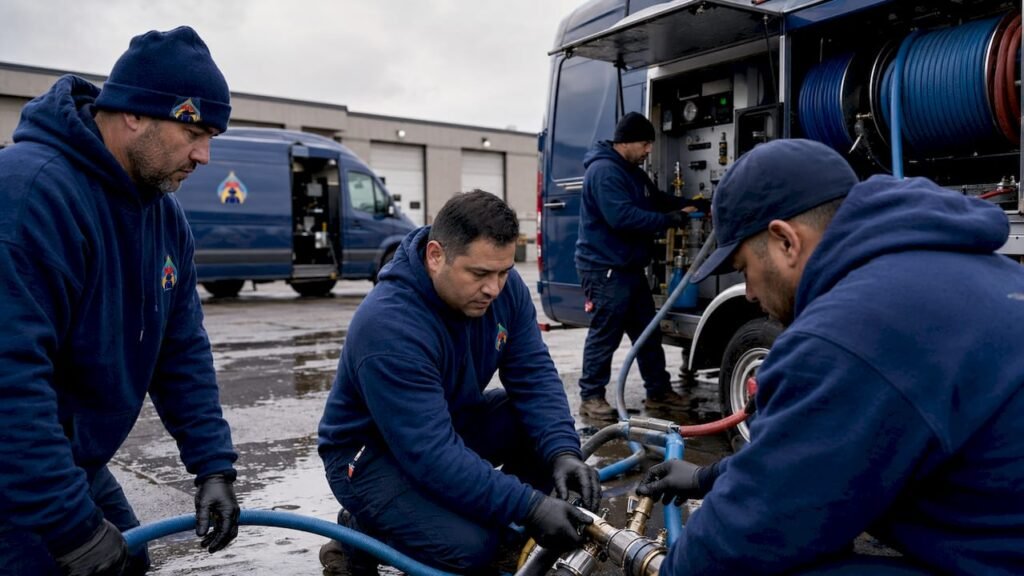
Commercial disaster restoration is defined as a structured, multi-phase professional service that returns damaged commercial properties to their pre-loss condition after events like fire, flooding, or severe storms. The industry term used by certified professionals is “commercial property restoration,” though “commercial disaster restoration” is widely used by business owners and property managers searching for help. This process operates under IICRC standards, OSHA compliance requirements, and EPA guidelines, making it far more regulated than residential work. Understanding what this service covers, how it unfolds, and what it demands from you as a property manager is the first step toward protecting your business when disaster strikes.
What is commercial disaster restoration and how is it defined?
Commercial disaster restoration is a structured professional service that restores commercial properties to pre-loss condition, distinguished from residential work by its regulatory complexity and compliance requirements. The process covers everything from the first emergency call to the final occupancy inspection. It applies to office buildings, retail centers, healthcare facilities, warehouses, and any property classified under commercial occupancy codes.
The scope is broad by design. A single flooding event in a commercial building can trigger water extraction, structural drying, mold assessment, HVAC decontamination, and full reconstruction, all under one coordinated project. ANSI/IICRC standards like S500 for water damage and S520 for mold remediation govern the technical quality of every phase. These standards exist to protect occupants, protect insurers, and protect you from liability.
What separates commercial restoration from a simple cleanup is the documentation burden. Every action taken on site must be logged to satisfy OSHA, EPA, insurance adjusters, and local regulatory agencies. That level of record-keeping is not optional. It is the foundation of a successful insurance claim and a legally defensible restoration record.
What does the commercial disaster restoration process involve?
The restoration process follows a defined sequence. Skipping or rushing any phase creates costly rework and potential regulatory violations. Effective phase sequencing through stabilization, assessment, remediation, and reconstruction avoids those problems while keeping the project on track.
Phase 1: Emergency stabilization (0–72 hours)
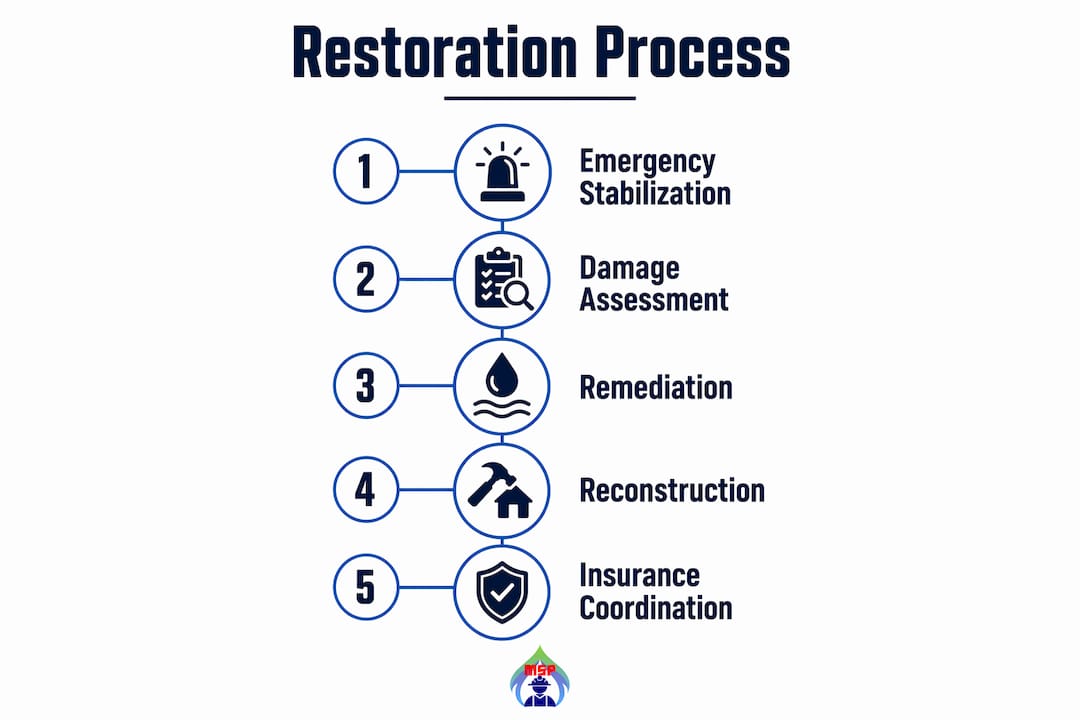
The first priority is stopping ongoing damage. Teams extract standing water, board up compromised openings, contain hazardous materials, and shut off utilities if needed. This phase directly limits the total cost of the loss.
Phase 2: Damage assessment and documentation
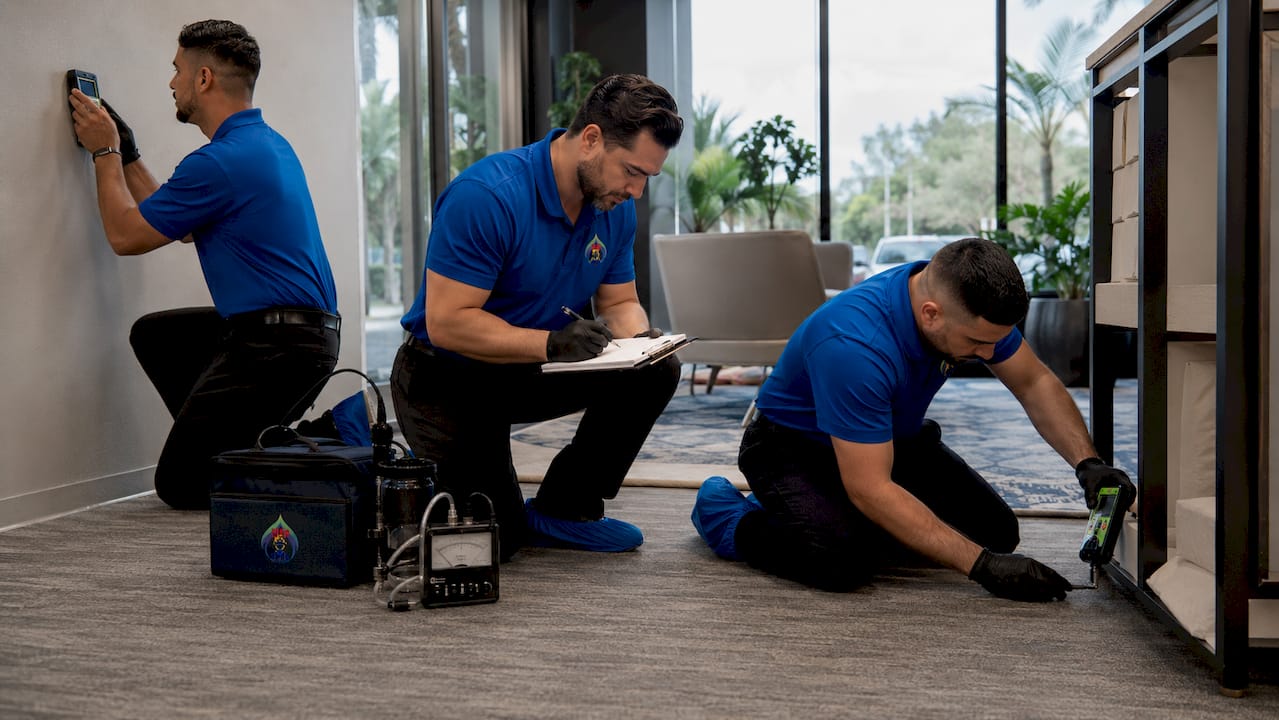
Certified technicians conduct a thorough inspection and document every affected area with photos, moisture readings, and written logs. Dense documentation covering every action taken is required to meet OSHA, EPA, insurance, and local regulatory demands. This is where most business owners underestimate the time required.
Phase 3: Remediation
Remediation includes structural drying using industrial dehumidification equipment, mold removal following EPA guidelines, smoke and soot cleaning, and decontamination of affected systems. IICRC S500 and S520 standards define the technical benchmarks for drying and mold work respectively.
Phase 4: Reconstruction
Once remediation is verified, structural and system repairs begin. This includes framing, drywall, flooring, electrical, plumbing, and HVAC restoration. The phase ends with inspections and Authority Having Jurisdiction (AHJ) sign-off before re-occupancy.
Phase 5: Insurance coordination and regulatory sign-off
Insurance documentation and coordination with regulatory agencies run parallel to every phase, not just at the end. Final AHJ approval is required before you can legally reopen the space.
Pro Tip: Document damage with timestamped photos before any cleanup begins. Adjusters rely on that initial evidence to validate your claim. Missing it is one of the most common and costly mistakes property managers make.
How does commercial restoration differ from residential restoration?
The distinction between commercial and residential restoration is not just about building size. It is about regulatory scope, stakeholder complexity, and occupancy classification.
| Factor | Residential restoration | Commercial restoration |
|---|---|---|
| Regulatory oversight | Local building codes | OSHA, EPA, AHJ, occupancy codes |
| Documentation requirements | Basic permit records | Exhaustive logs for insurance and regulatory agencies |
| Stakeholder coordination | Homeowner and insurer | Tenants, owners, insurers, contractors, regulators |
| Property types | Single-family, small multi-unit | Offices, retail, healthcare, industrial, warehouses |
| Project management complexity | Low to moderate | High, often requiring dedicated project managers |
Commercial projects require coordination with the Authority Having Jurisdiction for inspections and occupancy sign-offs before reopening. That step alone adds time and planning that residential projects rarely face. A missed AHJ checkpoint can delay reopening by days or weeks.
Commercial properties vary widely, from small offices to industrial plants, and each requires a customized restoration approach based on occupancy codes and property use. A healthcare facility, for example, faces stricter air quality and contamination standards than a retail storefront. That difference shapes every decision from remediation method to final inspection criteria.
The stakeholder layer is also more demanding. Coordination with multiple parties, including tenants, owners, insurers, regulatory agencies, and contractors, demands experienced project management. Without it, miscommunication between parties can stall the project and expose you to liability.
What types of damage does commercial disaster restoration cover?
Commercial restoration addresses a wide range of damage scenarios. Each type carries its own technical requirements and regulatory considerations.
- Fire damage. Full fire restoration includes emergency board-up, soot cleanup, odor removal, water removal from firefighting efforts, and structural reconstruction. Smoke penetrates HVAC systems, wall cavities, and furniture, requiring specialized cleaning beyond what is visible.
- Water damage. Flooding, burst pipes, storm intrusion, and roof leaks are the most common triggers for commercial restoration calls. Water damage restoration requires rapid extraction and drying to prevent secondary mold growth, which can begin within 24–48 hours of exposure.
- Mold contamination. Mold grows rapidly in humid environments and requires specialized remediation to prevent recurrence and comply with EPA guidelines. In commercial properties, mold is both a health risk and a regulatory issue that can force closure.
- Storm and severe weather damage. High winds, hail, and flooding can compromise roofs, walls, and structural systems. Debris removal, structural assessment, and weatherproofing are immediate priorities.
- Biohazard contamination. Sewage backups, chemical spills, and other biohazard events require specialized cleanup protocols that go beyond standard restoration. These situations involve additional regulatory oversight and personal protective equipment requirements.
Pro Tip: If your building has experienced any flooding or water intrusion, schedule a mold inspection within 48–72 hours. Visible damage is only part of the picture. Hidden moisture behind walls and under flooring is where mold problems typically start.
How do emergency restoration companies support business continuity?
Speed and coordination are the two factors that determine how quickly your business gets back to normal. Emergency restoration teams are available 24/7/365, with industry-leading providers committing to on-site arrival within 1–2 hours in most commercial areas. That response window matters because every hour of unaddressed damage increases the total restoration cost and extends your downtime.
Here is what a well-run commercial restoration company does to protect your operations:
- Rapid stabilization. Response within hours is essential to secure the site and begin mitigation before secondary damage compounds the loss. Stabilization prevents a manageable problem from becoming a structural one.
- Phased restoration planning. Experienced teams design the restoration sequence to allow partial operations where possible. A flooded wing of an office building does not necessarily shut down the entire facility.
- Insurance communication support. Restoration professionals help document losses in real time, providing adjusters with the evidence they need to process claims faster. This reduces the gap between incident and payout.
- Regulatory checkpoint management. Navigating AHJ inspections, OSHA compliance reviews, and EPA requirements requires professional coordination. Delays at any checkpoint push back your re-occupancy date.
- Tenant and stakeholder communication. Clear, consistent updates to tenants and stakeholders reduce misunderstandings and protect your relationships with the people who occupy your building.
The goal of every commercial restoration project is to return your property to full operation as safely and quickly as the regulatory process allows. Cutting corners on compliance to save time almost always creates longer delays and higher costs in the final stages.
Key Takeaways
Commercial disaster restoration requires certified professionals, strict regulatory compliance, and thorough documentation to return a business property to safe, legal operation after a major loss event.
| Point | Details |
|---|---|
| Defined process with four phases | Stabilization, assessment, remediation, and reconstruction must follow IICRC standards in sequence. |
| Documentation is non-negotiable | Exhaustive records satisfy OSHA, EPA, insurance, and AHJ requirements throughout every phase. |
| Commercial differs from residential | Occupancy codes, multiple regulators, and stakeholder complexity make commercial projects far more demanding. |
| Speed protects your bottom line | On-site response within 1–2 hours limits secondary damage and reduces total restoration costs. |
| Certification matters | IICRC-certified technicians and licensed contractors are required for safe, compliant commercial restoration. |
What business owners consistently get wrong about commercial restoration
The biggest mistake I see business owners make is treating documentation as an afterthought. When a pipe bursts or a fire breaks out, the instinct is to start cleaning immediately. That instinct costs money. Thorough documentation is more important than speed for insurance success and business continuity. Adjusters need to see the damage as it was, not after cleanup has already begun.
The second issue is underestimating the regulatory layer. Business owners often assume that once the physical damage is repaired, they can reopen. That is not how commercial restoration works. Certified professionals provide critical expertise not just in cleanup but in navigating complex regulations and securing necessary approvals. AHJ sign-off, OSHA compliance verification, and EPA documentation are not formalities. They are legal requirements that determine when you can legally put people back in the building.
I have also seen property managers try to manage tenant communication on their own during a restoration project, without a clear plan. Tenants want answers, and silence creates panic. A good restoration partner helps you communicate what is happening, what the timeline looks like, and what tenants need to do. That transparency protects your tenant relationships and reduces the risk of lease disputes.
Finally, do not select a restoration company based on price alone. IICRC certification, licensed contractors, and a track record with commercial properties are the criteria that matter. A cheaper team without proper credentials can leave you with a restoration that fails inspection, which means starting over.
— John
How Masterservicepro handles commercial disaster restoration
When your property takes a hit from flooding, fire, or storm damage, you need a team that shows up fast and knows exactly what to do. Masterservicepro provides 24/7 emergency response across Lake County, Cook County, DuPage County, Will County, and Kane County, IL, with IICRC-certified technicians ready to begin stabilization immediately.
Masterservicepro handles the full scope of commercial water damage restoration, mold remediation, fire damage cleanup, and reconstruction under one roof. That means no gaps between contractors, no coordination failures, and no delays caused by hand-offs. The team also supports insurance documentation from day one, helping you build the claim record you need for a full recovery. Whether you manage a single office suite or a multi-unit commercial property, Masterservicepro brings the certified expertise and project management experience to get you back to business. Check service area coverage to confirm availability in your location.
FAQ
What is commercial disaster restoration?
Commercial disaster restoration is a professional, multi-phase service that returns damaged commercial properties to pre-loss condition following events like fire, flooding, or storms. It operates under IICRC standards, OSHA regulations, and EPA guidelines, making it more complex than residential restoration.
How long does the commercial restoration process take?
The timeline depends on the type and extent of damage, but most commercial restoration projects range from several days for minor water damage to several months for fire or major structural damage. Regulatory inspections and AHJ approvals affect the final timeline.
What is the difference between commercial and residential disaster restoration?
Commercial restoration involves stricter regulatory oversight from OSHA, EPA, and local AHJs, more extensive documentation, and coordination with multiple stakeholders including tenants, insurers, and contractors. Residential projects face fewer regulatory checkpoints and lower documentation demands.
Do I need IICRC-certified technicians for commercial disaster restoration?
Yes. IICRC certification confirms that technicians follow established industry standards like S500 and S520 for water and mold remediation. Certified professionals also help navigate regulatory requirements and secure the approvals needed for legal re-occupancy.
How does commercial disaster restoration support my insurance claim?
Restoration professionals document damage in real time with photos, moisture readings, and written logs that meet insurance adjuster requirements. Thorough early documentation is the single most important factor in maximizing your claim and avoiding disputes.