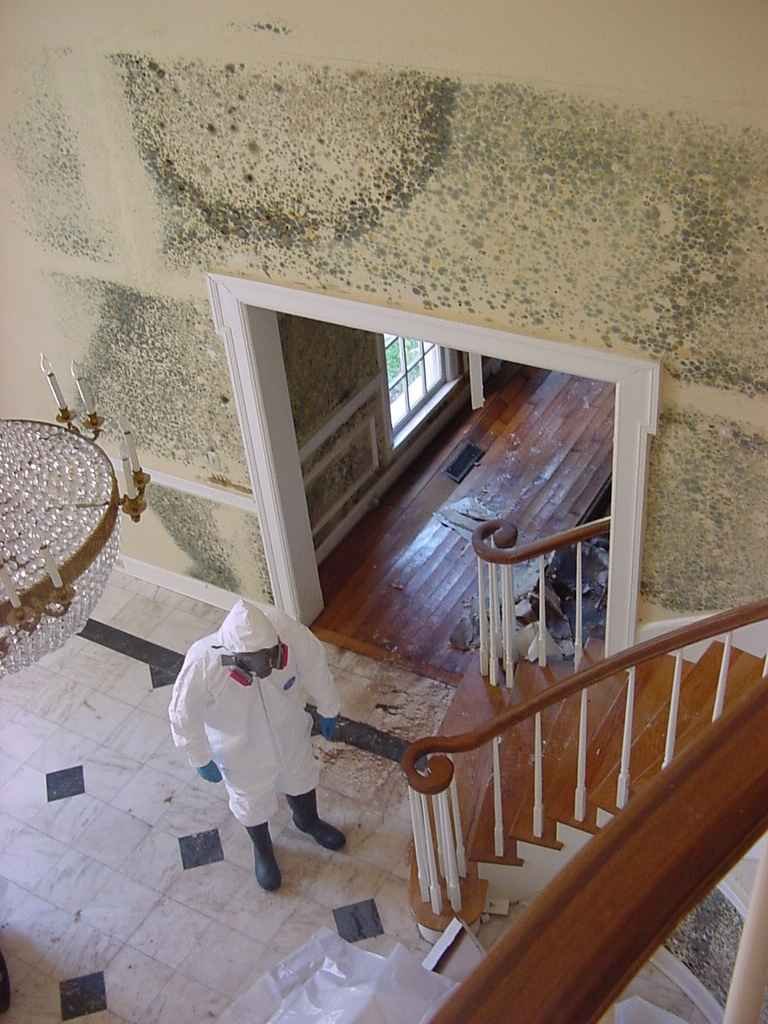
Late spring and early fall are the best times of year for a mold inspection, because these seasonal transitions expose moisture problems before and after peak humidity conditions. Professional mold assessment, the industry term for a systematic evaluation using moisture meters, thermal imaging, and air sampling, works best when conditions make hidden growth detectable. The EPA recommends keeping indoor humidity below 60% to prevent mold. Timing your inspection around seasonal shifts gives you the best chance of catching problems early, protecting both your family’s health and your property’s value.
1. Why late spring is the best season for mold inspection
Late spring, roughly march through may, is the single most productive window for a preventive mold inspection. Winter snow and ice melt into the soil and foundation. Spring rain adds more moisture. Together, they push humidity into basements, crawl spaces, and wall cavities where mold colonies form quietly.

Mold that went dormant during cold months becomes active again as temperatures rise. That reactivation makes colonies easier to detect with air sampling and moisture meters. Scheduling your inspection before summer’s peak humidity arrives means you catch problems while they are still contained.
Regional timing matters here. Homeowners in northern states like Illinois, Michigan, and Minnesota should target late april through may. In southern states like Georgia or the Carolinas, warming happens earlier, so march inspections make sense. Early inspections during seasonal transitions keep remediation costs manageable by catching mold before it spreads into HVAC systems and structural cavities.
- Check basement walls and floor joints for efflorescence or staining after snowmelt
- Inspect attic sheathing for dark streaking, a sign of winter condensation
- Look at window frames and sills where condensation collects during temperature swings
- Examine crawl spaces for standing water or wet insulation from ground moisture
Pro Tip: Close your windows for 24 hours before the inspection. This traps any airborne spores indoors and gives air sampling a more accurate baseline reading.
2. Why early fall is the second critical inspection window
Early fall, september through october, is the second ideal window on the mold growth inspection schedule. Summer heat and humidity leave residual moisture in walls, under flooring, and inside HVAC ducts. That moisture does not disappear the moment temperatures drop.
The real risk in fall comes from homeowners closing up their homes for winter. Sealing windows and reducing ventilation traps humid air inside. If mold is already present, that sealed environment accelerates growth through the cold months when you are least likely to notice it.
An early fall inspection catches summer’s moisture damage before it becomes a winter problem. Mold thrives year-round when warmth and moisture coexist, and a sealed home in november provides exactly those conditions.
- Inspect bathroom exhaust fans and kitchen range hoods for mold buildup after heavy summer use
- Check HVAC air handlers and drip pans before switching from cooling to heating mode
- Look at any area that experienced summer condensation, including basement walls and around AC units
- Examine roof flashing and attic vents before fall rains begin
Pro Tip: Schedule your fall inspection before you switch on the furnace for the first time. Heating a mold-contaminated home circulates spores through every room via the duct system.
3. When water damage makes timing irrelevant
Seasonal timing guides preventive inspections. Water damage changes everything. Mold colonization can begin within 24–48 hours of water intrusion, which means waiting for the “right season” after a flood or leak is not an option.
The standard moisture management protocol requires drying materials to below 17% moisture content within the first 24 hours to stop mold from taking hold. Every hour of delay after that window increases the risk and the eventual remediation cost. Understanding how long water damage takes to dry helps you set realistic expectations and act fast.
Common water events that require immediate inspection include:
- Basement flooding from heavy rain, sump pump failure, or sewer backup
- Pipe bursts in walls, ceilings, or under slabs, especially after winter freezes
- Appliance leaks from dishwashers, washing machines, or water heaters
- Roof leaks that saturate attic insulation and ceiling drywall
- HVAC condensate line overflows that soak surrounding wall cavities
When you call a professional after any of these events, be specific about the timeline. Tell them when the water event occurred and whether any materials are still wet. That information determines how urgently the inspection team needs to respond and what equipment they bring.
4. How regional climate zones affect your inspection schedule
The optimal time for mold checks is not the same in Chicago as it is in Tampa. Climate zone determines when humidity peaks, when moisture events are most likely, and when your home is most vulnerable.
| Region | Best inspection months | Primary risk factor |
|---|---|---|
| Northern states (IL, MI, MN, NY) | April–May and September–October | Spring snowmelt, winter condensation |
| Mid-Atlantic (DC, VA, MD) | March–May and September | High spring humidity, summer storms |
| Southeast (FL, GA, SC) | February–April and October | Year-round humidity, hurricane season |
| South-Central (TX, LA, OK) | March–April and October | Storm season, extreme summer heat |
| Pacific Northwest (WA, OR) | March–May and October–November | Persistent rain, low evaporation rates |
| Mild climates (CA coast) | Year-round, focus on rainy season | Fog moisture, wildfire water damage |
Homeowners in Illinois, where Masterservicepro operates across Lake County, Cook County, DuPage County, Will County, and Kane County, face a clear two-window schedule. Spring inspections target snowmelt damage. Fall inspections catch summer humidity residue before heating season locks it in.
In Florida and Texas, the best season for mold inspection shifts earlier because warming and humidity arrive in february and march. Hurricane and storm season also creates urgent, event-driven inspection needs from june through november.
5. What the mold inspection timeline actually looks like
Knowing when to inspect is only half the picture. Understanding the full mold inspection timeline helps you plan around real estate closings, lease renewals, or seasonal maintenance schedules.
On-site inspection duration: A standard residential inspection takes 1.5–3 hours depending on property size and the number of suspect areas. Larger homes with finished basements, multiple bathrooms, and attic access take longer.
Lab turnaround time: Air and surface samples collected during the inspection go to a certified lab. Standard processing returns results in 3–7 business days. Rush processing is available for real estate transactions or urgent health situations and typically returns results within 24–48 hours.
Scheduling lag: Booking an inspection takes 1–3 days under normal conditions. Factor that into your timeline, especially if you are buying a home or managing a property turnover.
To get the most accurate results from your inspection, prepare your home the right way:
- Close all windows and exterior doors 24 hours before the inspection to stabilize indoor air quality
- Clear furniture and stored items away from basement walls, crawl space access points, and areas with visible staining
- Write down any locations where you have noticed musty odors, water stains, or past leaks
- Do not run exhaust fans or air purifiers the morning of the inspection
- Leave HVAC systems running at their normal settings unless the inspector advises otherwise
Professional inspections use moisture meters and thermal imaging to detect hidden mold without opening walls. Thermal imaging identifies cold spots where moisture accumulates behind drywall. Moisture meters confirm whether those areas are wet enough to support growth. This combination catches problems that a visual check alone would miss. If you want to understand what findings mean after the fact, reviewing mold inspection report red flags helps you interpret results with confidence.
6. How often should you schedule mold inspections?
Mold inspection frequency depends on your property type, history, and local climate. A general rule for residential properties is once per year, timed to one of the two seasonal windows described above. Properties with a history of water damage, older plumbing, or basement moisture issues benefit from twice-yearly inspections.
Property managers overseeing commercial buildings or multi-unit residential properties should follow a more structured schedule. The mold inspection frequency guide for commercial properties outlines how building size, occupancy type, and HVAC complexity affect how often professional assessments are needed.
Buyers in real estate transactions should always request an inspection before closing. Mold discovered after purchase becomes the new owner’s financial responsibility. Understanding why buyers request mold inspections before closing can save you from inheriting a costly remediation project.
One factor many homeowners overlook is HVAC maintenance. Mold in duct systems spreads spores to every room in the home. If your ducts have not been inspected recently, pairing your seasonal mold inspection with an HVAC review is a practical move. A guide on preventing mold in HVAC ducts covers the specific steps that reduce duct contamination risk year-round.
Key takeaways
The most effective mold inspection strategy combines two annual preventive inspections during seasonal transitions with immediate response after any water intrusion event.
| Point | Details |
|---|---|
| Best inspection windows | Late spring (March–May) and early fall (September–October) offer the most reliable detection conditions. |
| Water damage is urgent | Mold can colonize within 24–48 hours of water intrusion; do not wait for a seasonal window. |
| Regional timing varies | Northern states target April–May; southeastern states should inspect as early as February–March. |
| Prepare your home | Close windows 24 hours before inspection and clear access to suspect areas for accurate results. |
| Plan for the full timeline | Budget 1–3 days for scheduling, 1.5–3 hours on-site, and 3–7 days for lab results. |
Why I think most homeowners get mold inspection timing completely wrong
Most people schedule a mold inspection only after they see something or smell something. By that point, the problem has usually been growing for weeks or months. The whole value of seasonal inspection timing is that it catches mold before it becomes visible.
The misconception I encounter most often is that mold is a summer problem. It is not. Mold grows year-round wherever moisture and warmth exist together. A sealed home in january with a slow pipe drip behind the drywall is a perfect mold environment. Winter inspections are sometimes the most important ones.
The financial argument for preventive timing is straightforward. Catching mold early keeps remediation contained to one area. Delayed detection means mold spreads into HVAC systems, floor joists, and wall cavities, turning a manageable job into a major reconstruction project. Two inspections per year cost far less than one large remediation.
My advice: put both inspection dates on your calendar right now, one in april and one in september. Treat them like furnace filter changes. They are routine maintenance, not emergency responses.
— John
Masterservicepro: certified mold inspection and remediation in Illinois
If your seasonal inspection or a recent water event has you concerned about mold, Masterservicepro is ready to help. Our IICRC certified technicians serve Lake County, Cook County, DuPage County, Will County, and Kane County with professional mold inspections, air sampling, and full mold remediation services under one roof. You will never need to coordinate multiple contractors.
We respond fast after water damage events, because we know the 24-hour window matters. Our A to Z service model covers everything from initial inspection through final restoration, backed by a 100% satisfaction guarantee. If you have experienced flooding, a pipe burst, or suspect hidden mold, contact Masterservicepro today. Our water damage restoration team is available when you need us most.
FAQ
When is the best time of year for a mold inspection?
Late spring (march through may) and early fall (september through october) are the best times for preventive mold inspections. These seasonal transitions reveal moisture issues before and after peak humidity conditions.
How quickly does mold grow after water damage?
Mold can begin colonizing within 24–48 hours of water intrusion. Professional drying to below 17% moisture content within the first 24 hours is the standard protocol to prevent mold growth.
How long does a residential mold inspection take?
A standard residential mold inspection takes 1.5–3 hours on-site, depending on property size. Lab results from air and surface samples typically return within 3–7 business days, with rush processing available.
Should I inspect for mold even if I see nothing suspicious?
Yes. Mold grows inside walls, under flooring, and in HVAC systems where it is not visible. Preventive seasonal inspections using thermal imaging and moisture meters detect hidden growth before it becomes a health or structural problem.
How often should a home be inspected for mold?
Most residential properties benefit from one inspection per year timed to a seasonal transition. Homes with a history of water damage, older plumbing, or persistent basement moisture should be inspected twice per year.