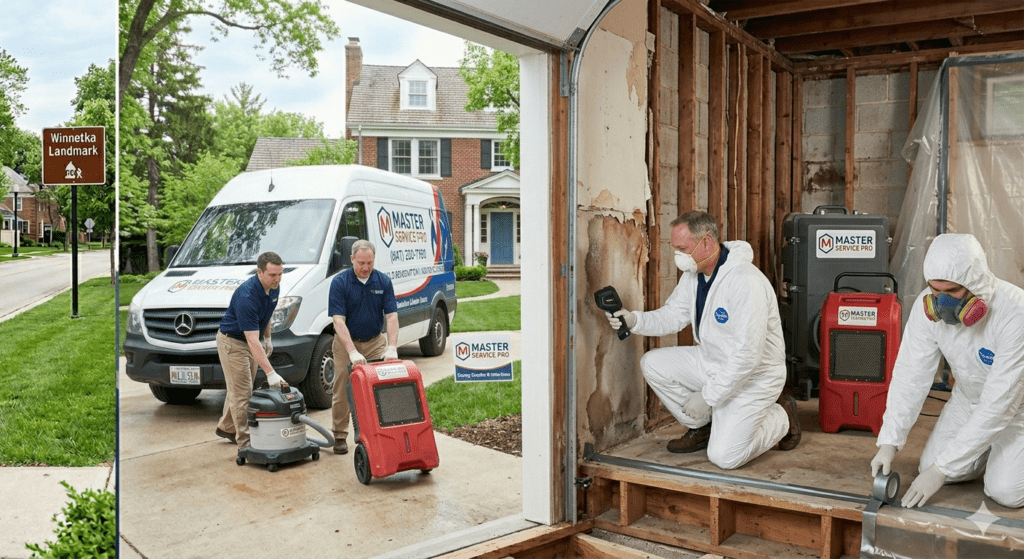
Winnetka, with its historic charm and proximity to Lake Michigan, is a beautiful place to call home. However, that same proximity to water, combined with our often humid climate, creates a perfect breeding ground for a common household problem: mold. As specialists in local restoration, we understand the specific challenges homeowners in the area face. Mold isn’t just an eyesore; it can damage your property and, more importantly, pose health risks to your family.
This blog post is your guide to understanding mold, the remediation process, and why professional help is often crucial, specifically within the context of Winnetka properties.
Understanding the Enemy: What Causes Mold Growth?
Mold is a type of fungus that reproduces through tiny, invisible spores. It needs three things to thrive:
-
Moisture: A damp basement, leaky pipe, roof leak, or high humidity.
-
Food Source: Organic materials like drywall, wood, carpet, and paper.
-
Warmth: Typical indoor temperatures are often ideal.
In Winnetka, common sources of moisture include high groundwater (especially after heavy rain), basement flooding, and inadequate ventilation in spaces like attics and crawlspaces. Historic homes, while beautiful, can sometimes have older plumbing or less efficient moisture barriers, making them more susceptible.
Recognizing the Signs of a Mold Problem
Often, mold makes itself known before you even see it. Be on the lookout for:
-
A distinct musty or earthy odor: This is one of the most common early indicators, especially in basements or poorly ventilated areas.
-
Visible discoloration: While black mold is widely publicized, mold can also appear fuzzy or discolored in shades of green, gray, white, or brown on walls, ceilings, or furniture.
-
Water damage or persistent moisture: Stains on walls or ceilings, condensation on windows, or peeling paint.
-
Increased allergy or respiratory symptoms: Some people experience worsening asthma, congestion, or throat irritation when mold is present.
The Problem with DIY Mold Removal
It’s tempting to grab a bucket of bleach and try to scrub the mold away yourself. However, for anything larger than a very small, contained area (like a single tile in a bathroom), DIY removal is often ineffective and can even make the problem worse. Here’s why:
-
Bleach only treats the surface: It doesn’t penetrate porous materials like drywall or wood, leaving the deeper mold roots alive to regrow quickly.
-
Spreading spores: Aggressive cleaning without proper containment can release thousands of mold spores into the air, contaminating other areas of your home.
-
Safety concerns: Certain types of mold can produce mycotoxins, and professional grade respiratory protection (not just a basic dust mask) is essential during remediation.
-
Ignoring the root cause: Without identifying and fixing the source of the moisture, the mold will inevitably return.
The Professional Advantage: IICRC-Certified Remediation
This is where a professional restoration company comes in. An IICRC (Institute of Inspection, Cleaning and Restoration Certification) certified company follows industry-standard protocols to safely and effectively remove mold. Here’s a glimpse into the process, illustrated by real-world expertise:
1. Detailed Inspection and Moisture Assessment
The first step is a thorough inspection of your property. Our team uses advanced tools like thermal imaging cameras to “see” moisture hidden behind walls, identifying leaks and problem areas without invasive cutting. This is particularly valuable in historic Winnetka homes, allowing us to pinpoint the issue without unnecessary damage to the structure.
Visual Cue: A professional using a thermal imaging camera (similar to the one shown in image_4.png) detects moisture hot spots.
2. Containment: Preventing Spore Spread
To prevent the spread of mold spores during the cleaning process, we establish proper containment. This involves using physical barriers (like heavy-duty plastic sheeting) to isolate the affected area. Negative air pressure is often created using air scrubbers equipped with HEPA filters, which capture airborne spores and prevent them from circulating into clean parts of your home.
Visual Cue: A professional carefully creating a containment zone using sheeting and industrial air handling equipment.
3. Air Filtration
Continuous air filtration is a vital part of the process. We use high-powered HEPA air scrubbers to clean the air within the containment zone, removing both spores and odors.
Visual Cue: A red industrial air scrubber and dehumidifier unit (like the one shown in image_4.png) running constantly during the project.
4. Safe Removal and Cleaning
Once contained, the mold-contaminated materials are carefully removed. Porous materials like drywall and insulation are typically removed and discarded. Non-porous surfaces like wood framing are meticulously cleaned using HEPA vacuuming, followed by specialized antimicrobial agents to kill the remaining mold and prevent regrowth.
Visual Cue: A professional in full personal protective equipment (PPE) operating a powerful HEPA vacuum (like the one in image_4.png) to clean surfaces.
5. Proper Disposal
All contaminated materials are bagged in heavy-duty plastic and sealed inside the containment area before being removed from your home. This ensures that no spores are released during disposal.
6. Drying and Dehumidification
This is perhaps the most crucial step. Once the mold is gone, we thoroughly dry the area to ensure the moisture levels are well within the normal range, preventing future mold growth. This often involves using industrial-grade dehumidifiers and air movers.
Visual Cue: Multiple industrial dehumidifiers and air movers actively working to dry the space.
Why Local Winnetka Experience Matters
Choosing a company that is local and familiar with the specific quirks of Winnetka properties can make a significant difference. We understand the soil composition that leads to high groundwater, the types of foundations common in older homes, and the unique ventilation challenges of historic structures.
Our Commitment to Excellence
We are proud to serve the Winnetka community and surrounding North Shore areas. Look for our distinct white Mercedes Sprinter work van and our professionals in dark blue uniforms – they are a sign of quality and expertise. We are fully licensed, insured, and committed to restoring your home to a safe, healthy state.
Visual Cue: The professional Master Service Pro branded Mercedes Sprinter van parked near a Winnetka home, illustrating local service.
Conclusion
Mold is a serious issue, but it’s not insurmountable. By understanding the causes, recognizing the signs, and investing in professional remediation from an IICRC-certified company, you can protect your property and your family’s health. Don’t wait for mold to become a major problem. If you suspect you have a mold issue in your Winnetka home, contact a professional restoration company for an inspection today.
Call to Action: Have you noticed a musty smell in your basement or crawlspace? Master Service Pro is your local Winnetka expert for mold inspection and remediation. Call us today at (847) 250-7760 to schedule a consultation.